Algeria Tours

Join one of our tours in Algeria!

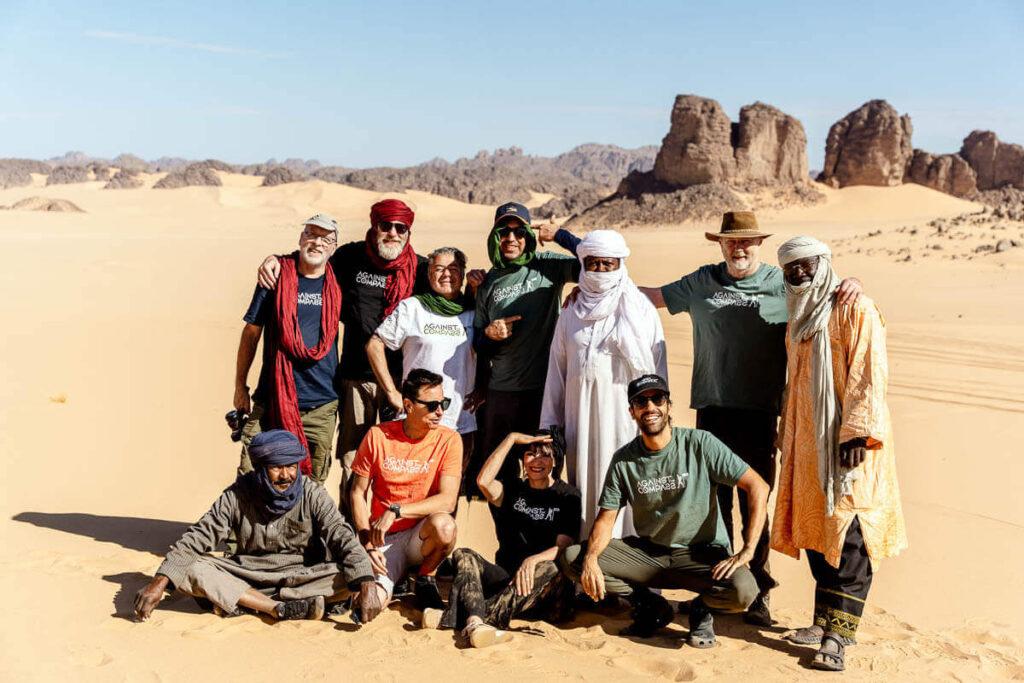
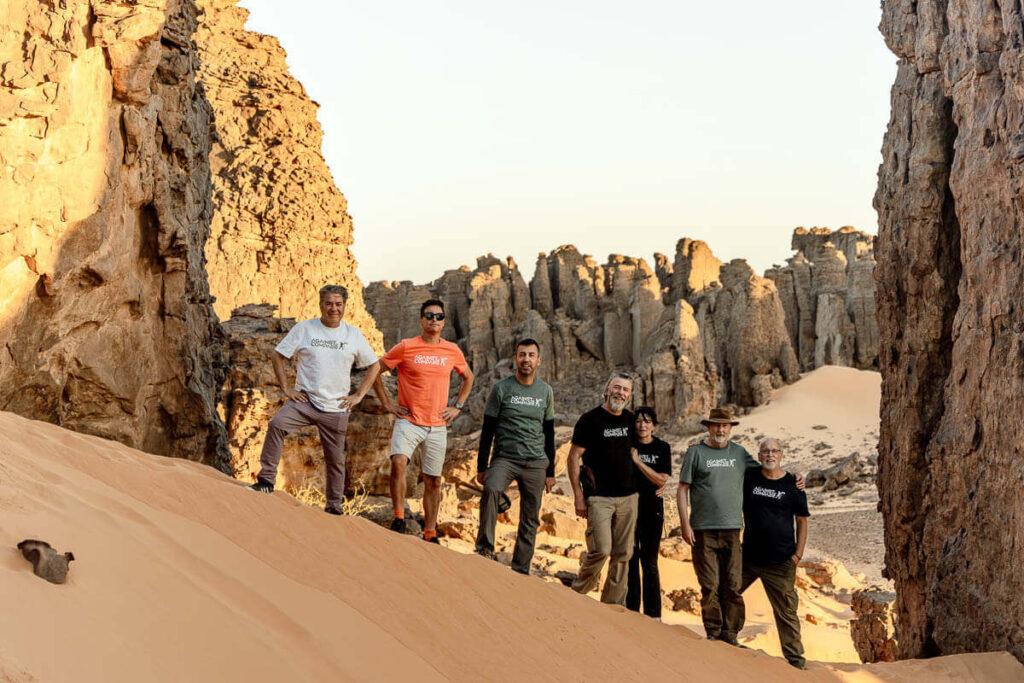
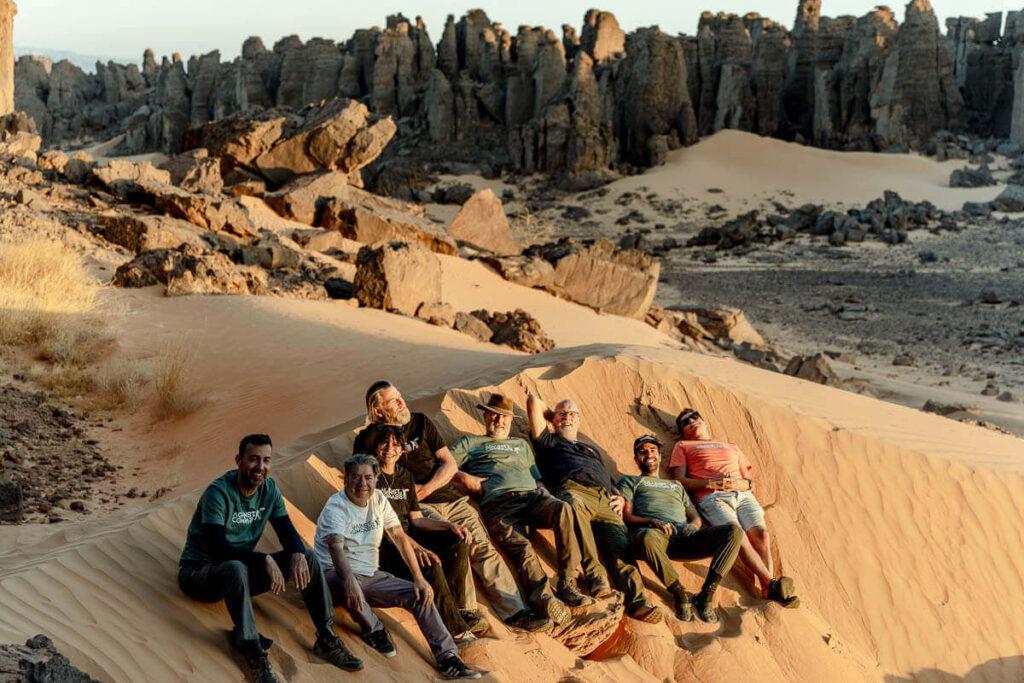
Against the Compass is finally running tours to Algeria, probably our most requested destination since we first started.

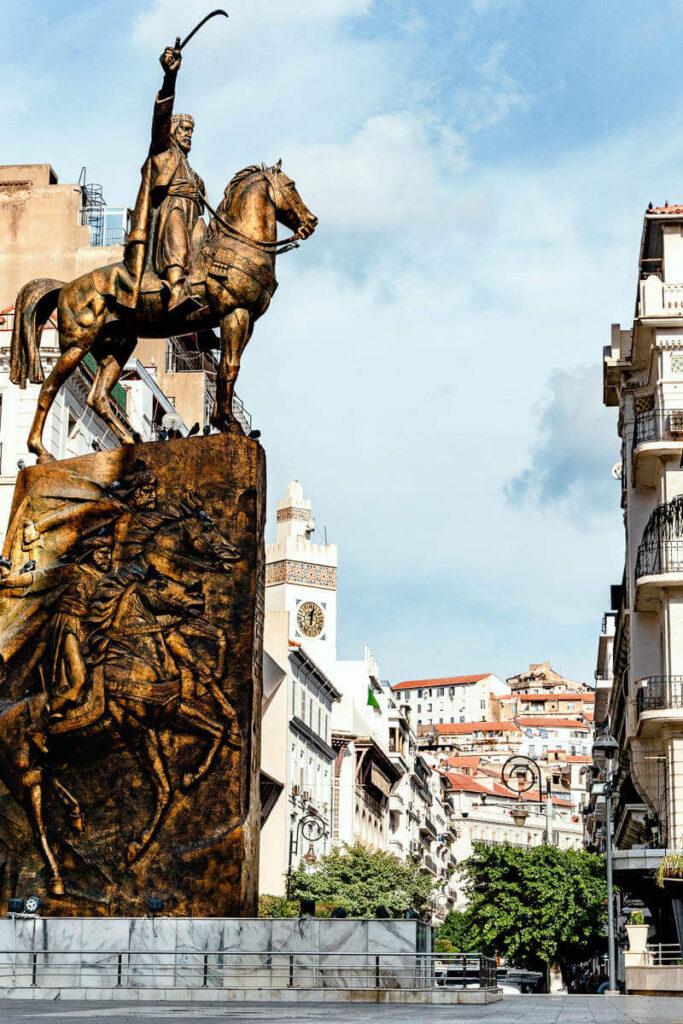
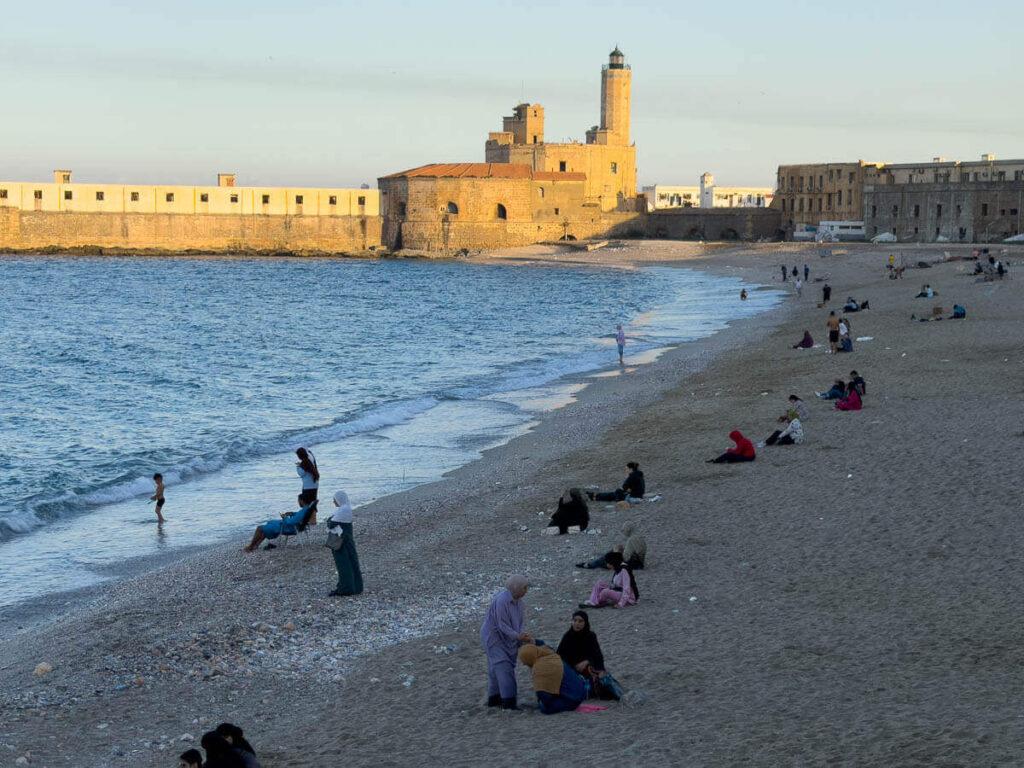
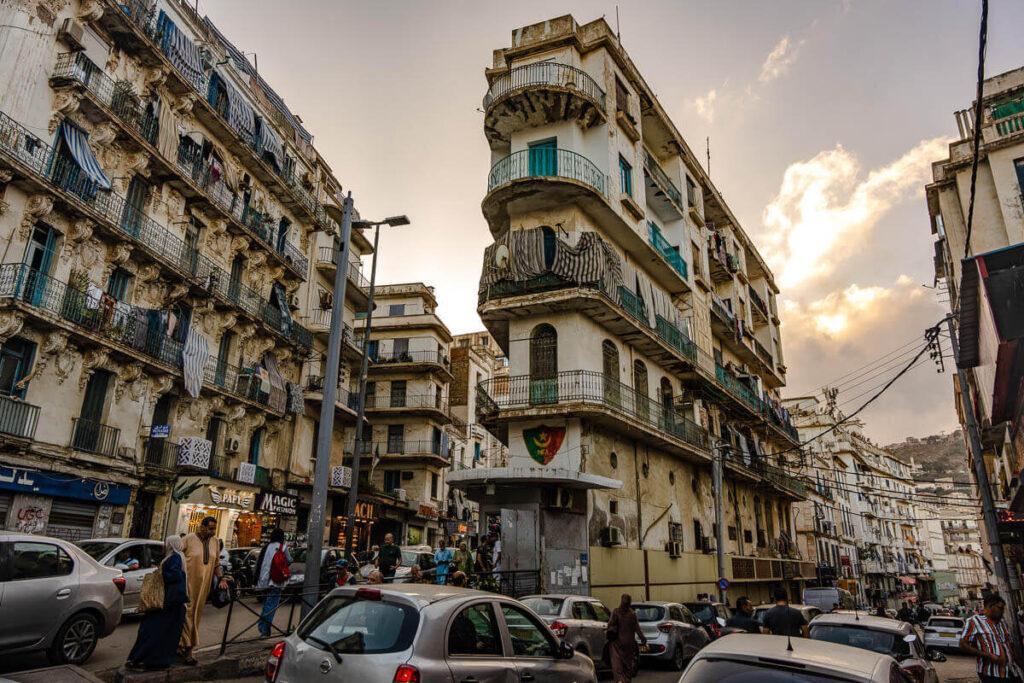
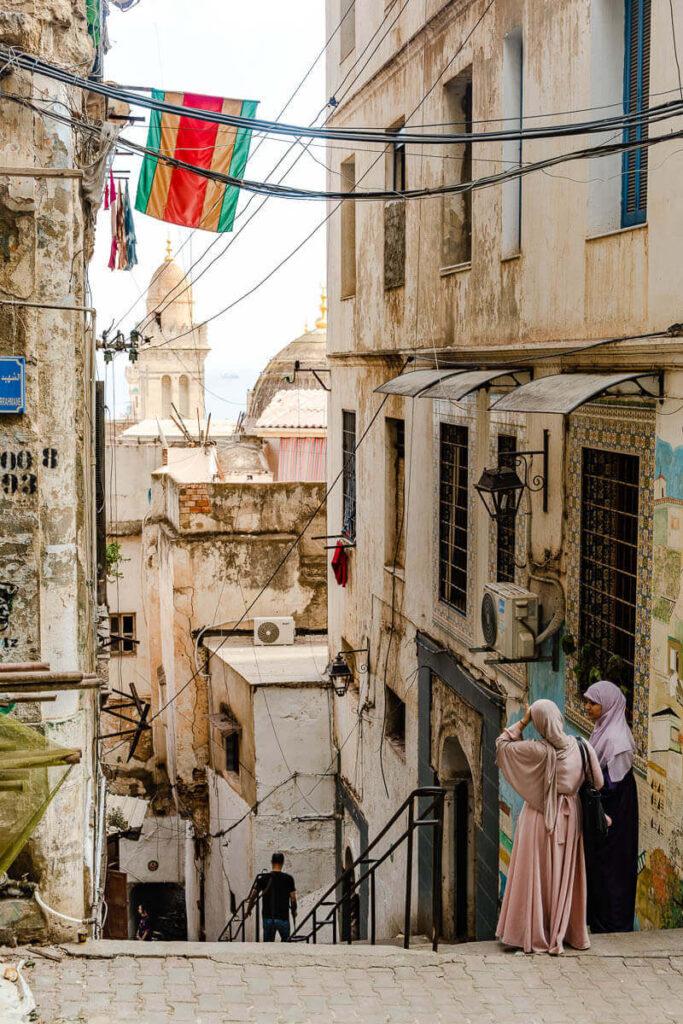
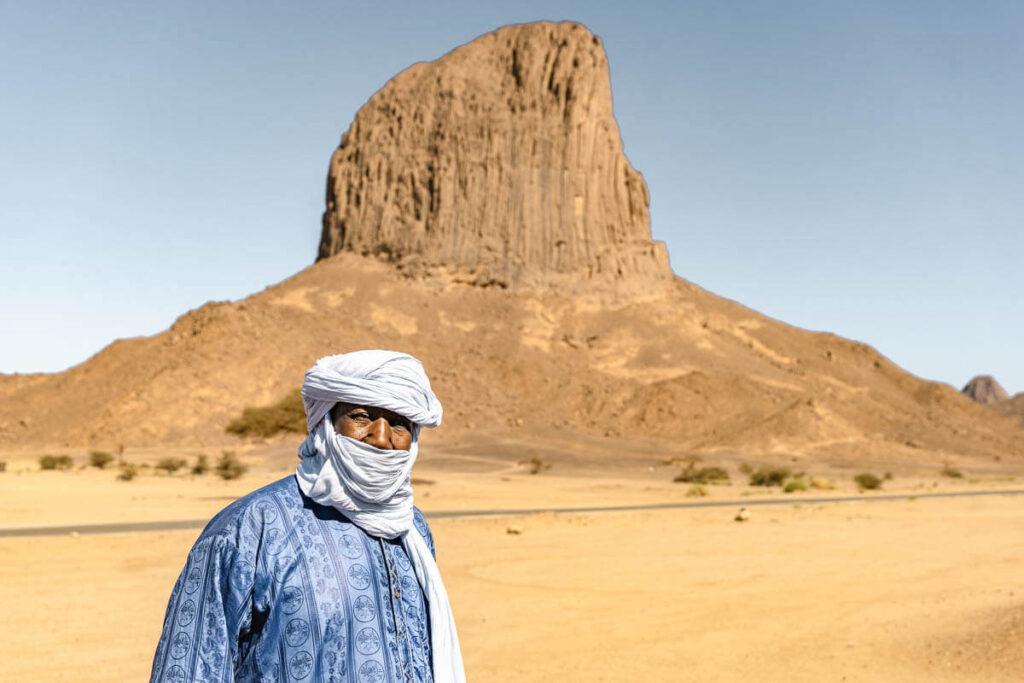
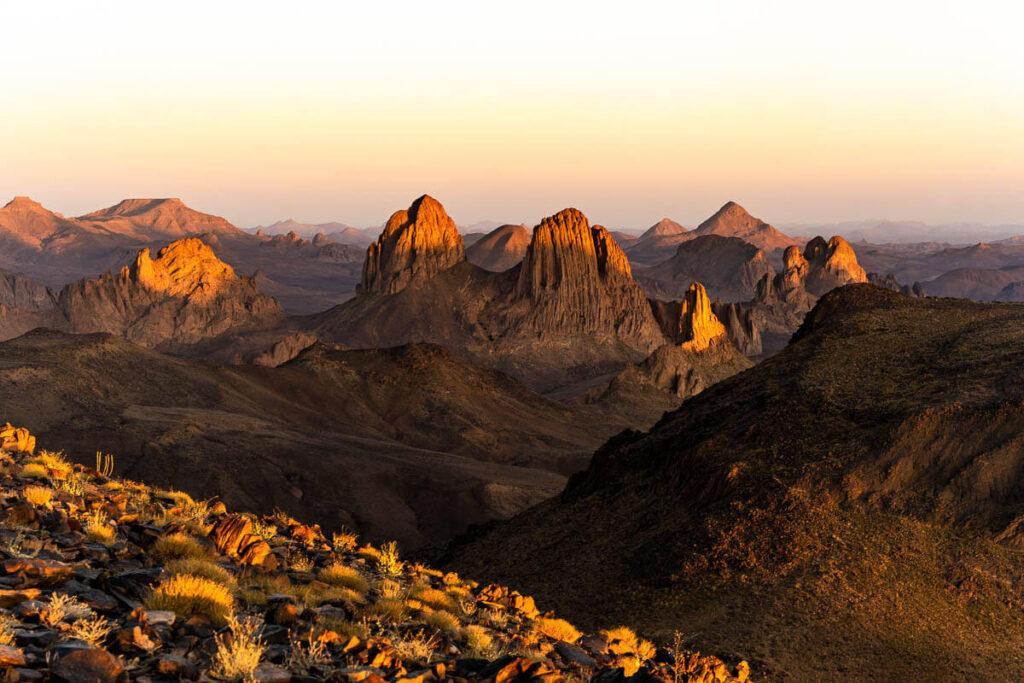
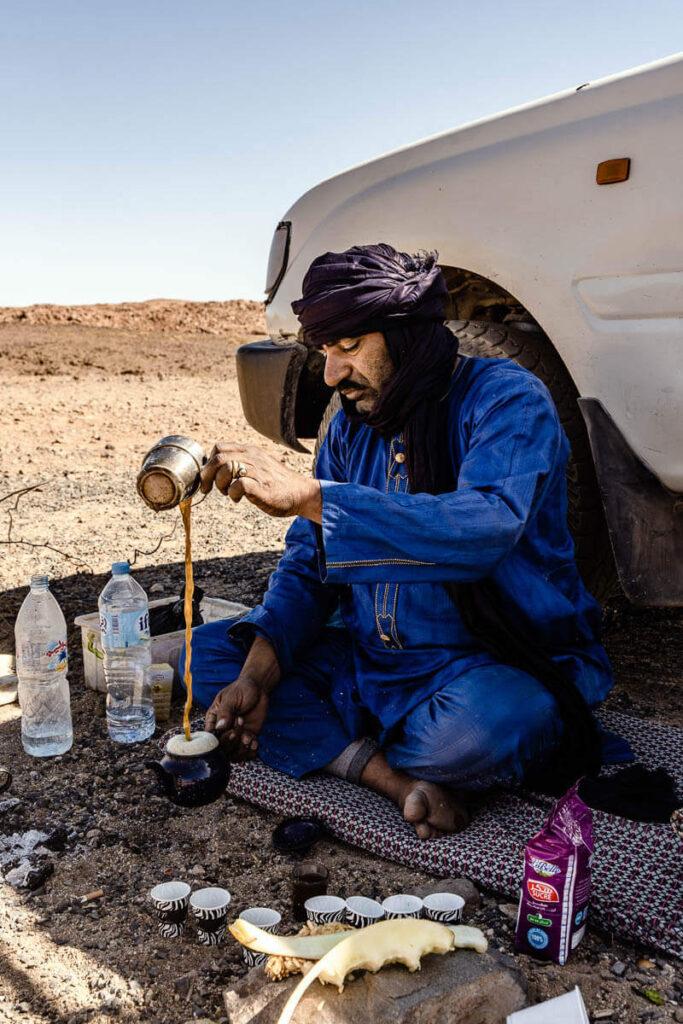
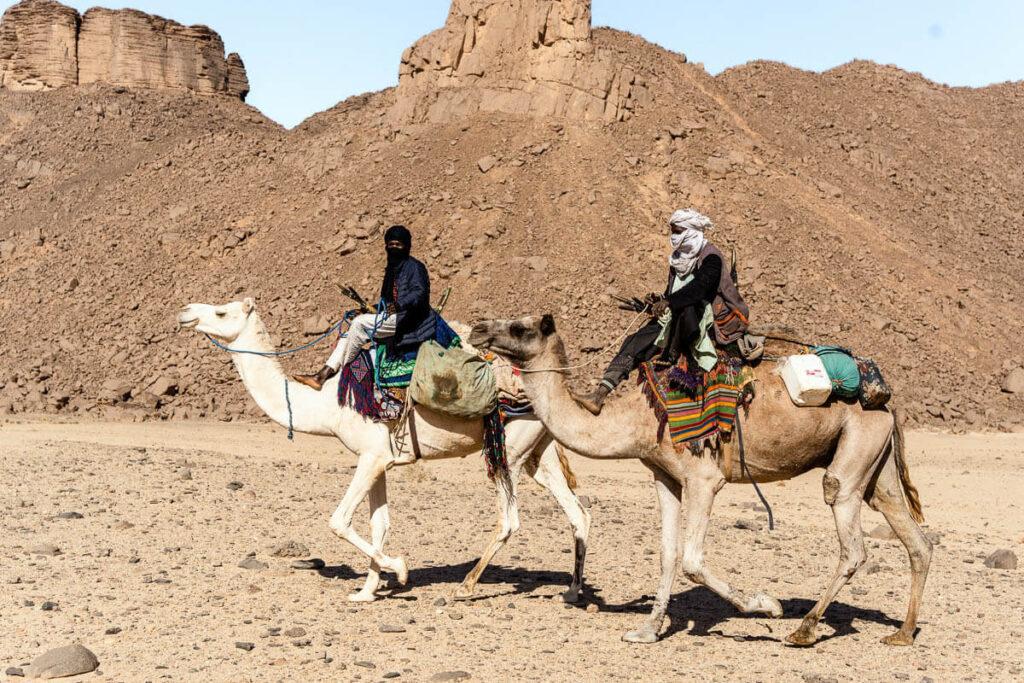
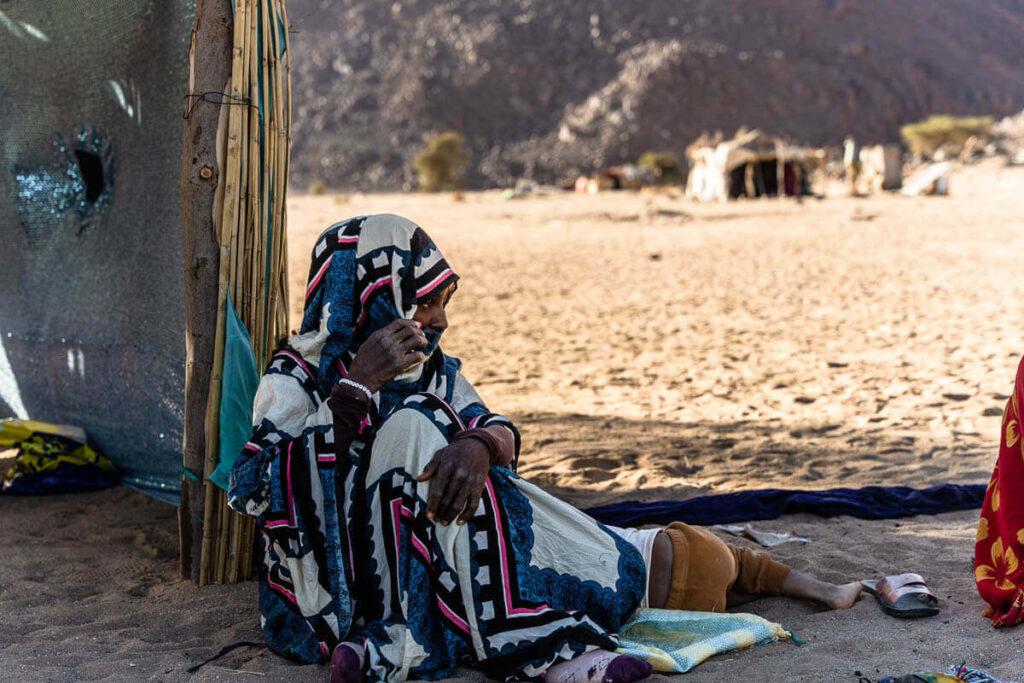
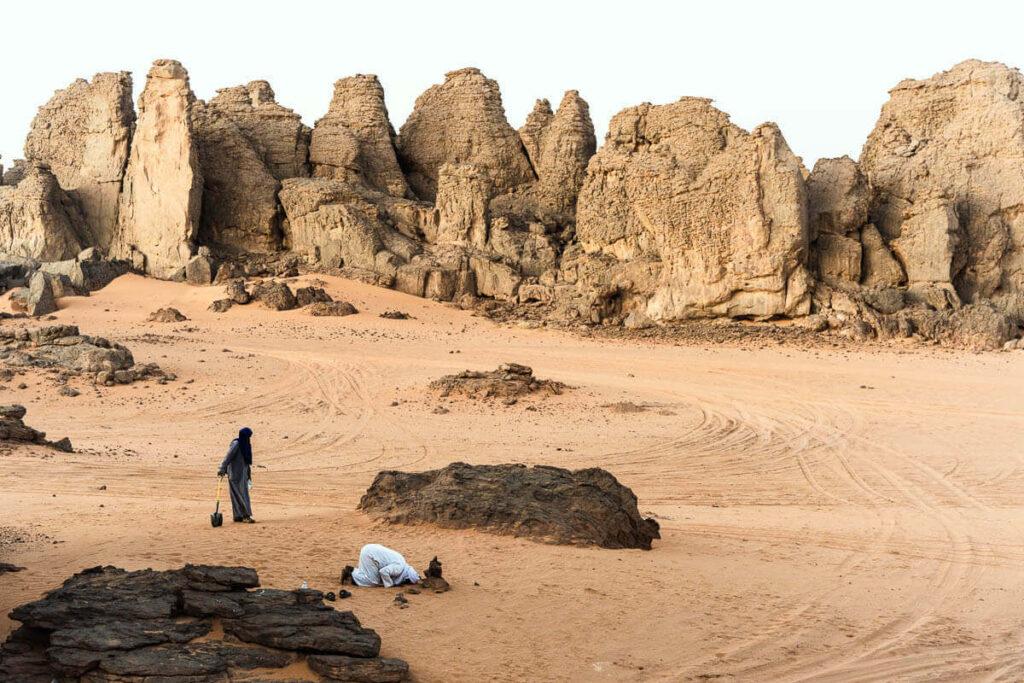
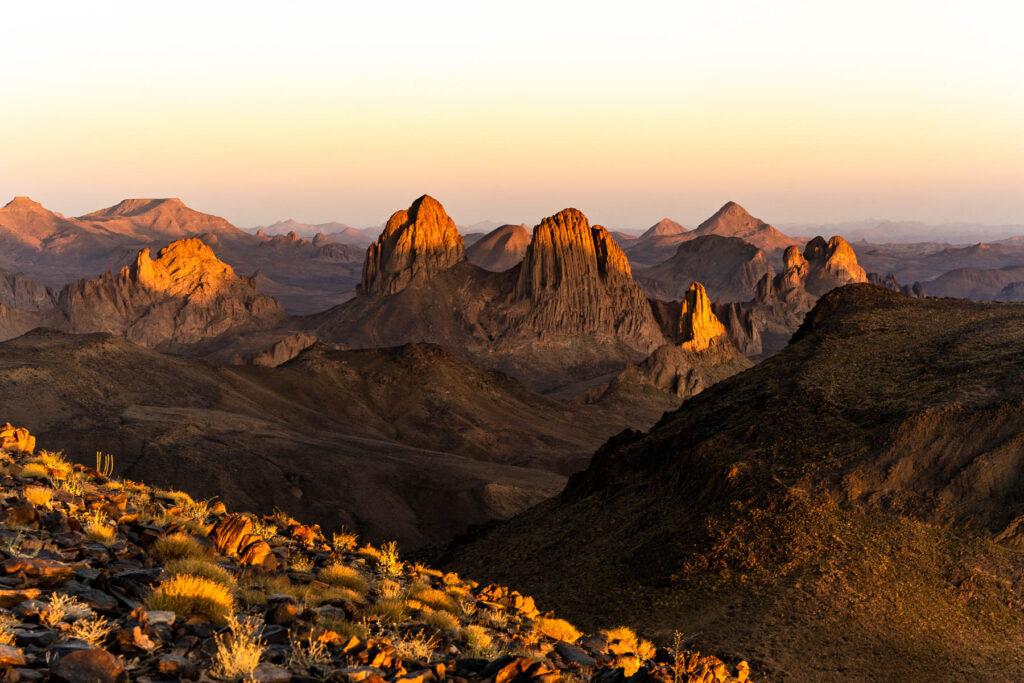
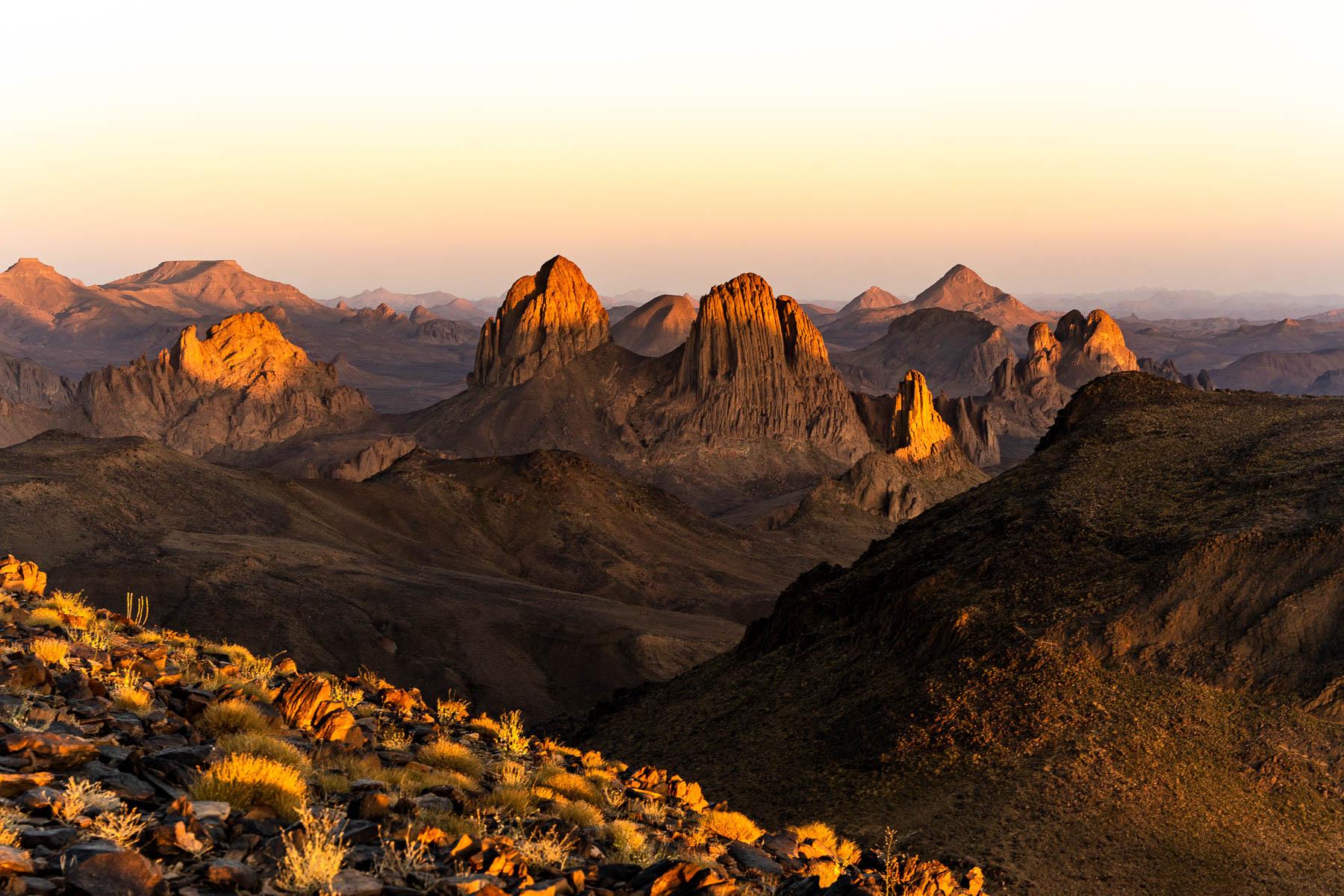
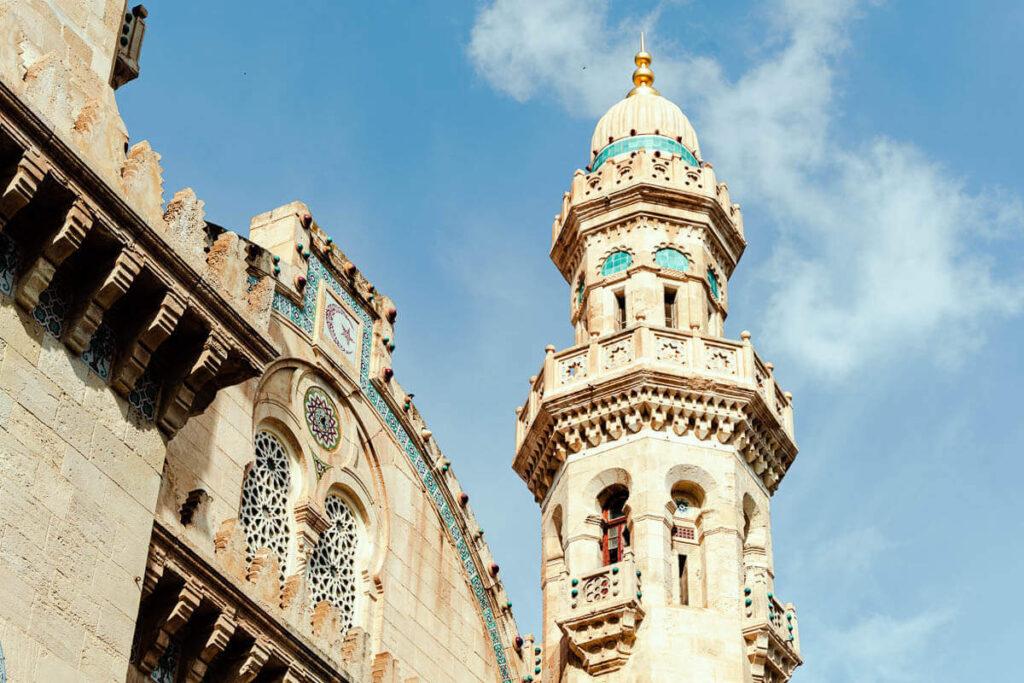
The largest country in Africa is also one of the most diverse, from the sophisticated French quarter of Algiers to the heartland of the Tuareg in Tamanrasset and Djanet, passing through the homeland of the Mozabites in the area around Ghardaïa.

Our tours to Algeria tackle it all.

Our scheduled group tours for Algeria

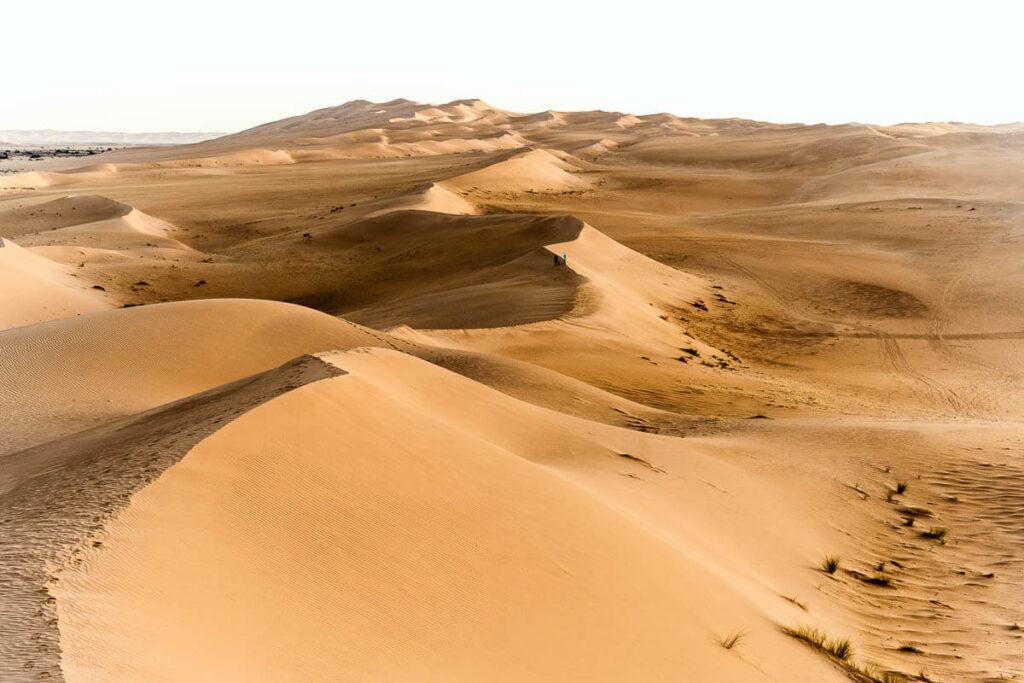
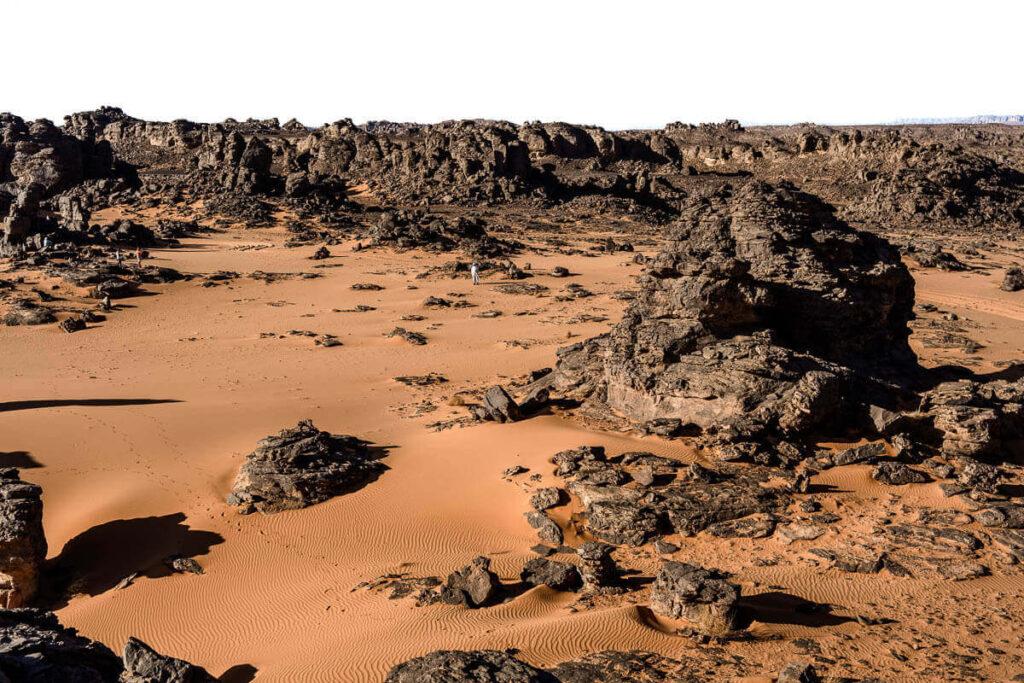
Typically, we offer two kinds of Algeria expeditions: North & Central Algeria, where we visit Algiers, Ghardaïa, Constantine, and everything in between by bus; and Southern Algeria, including Tamanrasset and Djanet.

Upcoming Algeria Tours

These are all our scheduled tours in Algeria

what travelers say about us

need to know for your Algeria travel tour

How to get a visa?

With our Letter of Invitation, you’ll be able to obtain a visa on arrival at the airport.

Is it safe?

Algeria is today considered safe by most Ministries of Foreign Affairs.

Which nationalities can join our Algeria tours?

All nationalities are welcome to apply for an Algerian visa.
Sample itinerary for our Algeria tours

Here’s our standard 8-day tour we offer on most of our expeditions.

Day 1 – Arrival in Algers

  • Day 1 of the tour is the arrival day. Our tour leader will be waiting for you at the hotel in Algiers after 12:00 pm.
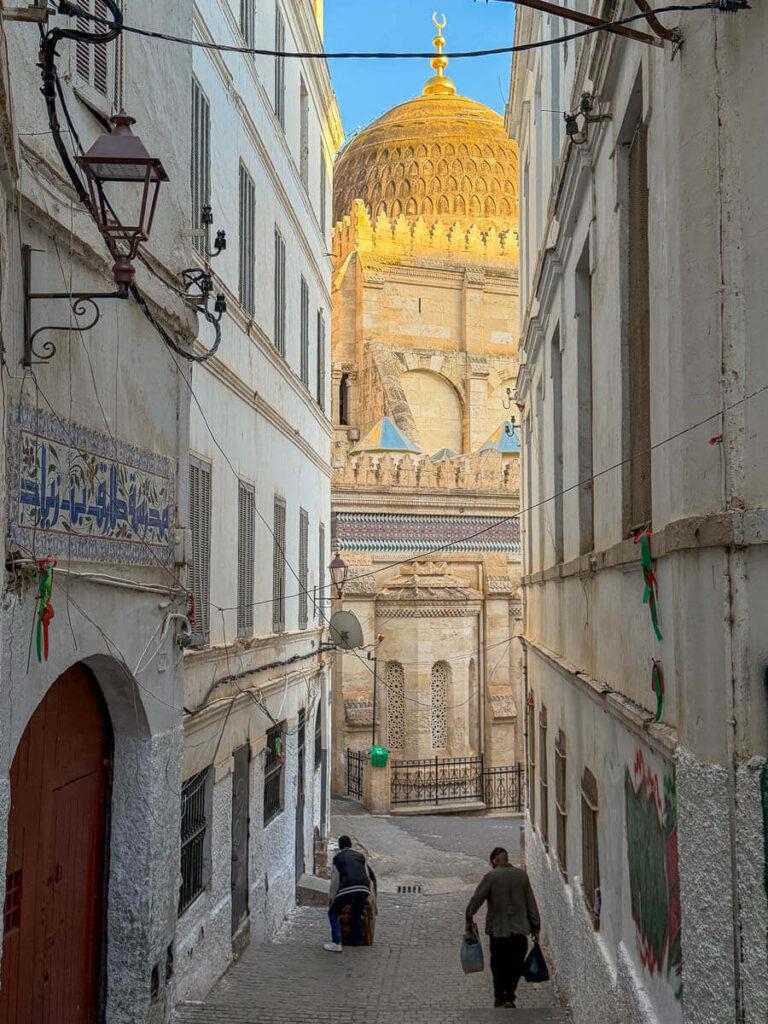
  • In the afternoon, after sunset, we will take a short stroll around the old city, followed by drinks and dinner.
  • Overnight in Algiers.

Day 2 – Medea & Laghouat

  • Our overland adventure will start on day 2 of the tour.
  • The distance between Algiers and Ghardaïa is around 600 km. Under normal circumstances, this journey could be completed in a single day, but due to checkpoints and potentially poor road conditions, we will spend the first night in Laghouat.
  • Before reaching Laghouat, however, our first stop will be Médéa, home to the Christian Monastery of Tibhirine. This Trappist monastery is locally infamous because seven monks were kidnapped and killed here in 1996 during the civil war.
  • It’s important to note that visiting the interior of the monastery cannot be guaranteed, as this depends on the monks’ availability.
  • If a visit is not possible, we will take a stroll around Médéa, an off-the-beaten-track mountain town located in the Tell Atlas, surrounded by forested hills and farmland. It offers a very different side of Algeria from the one you are probably used to, where meeting local people will be the true highlight.
  • After lunch, we’ll continue our journey to Laghouat.
  • Overnight in Laghouat.

Day 3 – Laghouat & Ghardaia

  • Laghouat is a bit of a special place, sitting right on the edge where the Atlas foothills fade into the desert, therefore marking the point where northern Algeria ends and actual Saharan Algeria begins.
  • It may not be as visually striking as Ghardaïa, but it is definitely more raw (no tourists come here).
  • While Laghouat lacks proper tourist attractions, it is a genuinely off-the-beaten-path destination, surrounded by palm groves and oasis landscapes, and inhabited by warm Algerians who will almost certainly be curious about our visit.
  • After our time in Laghouat, we continue our journey towards Ghardaïa.
  • Overnight in Ghardaïa.

Day 4 – Full day in Ghardaia

  • For many, Ghardaïa is one of the highlights of Algeria.
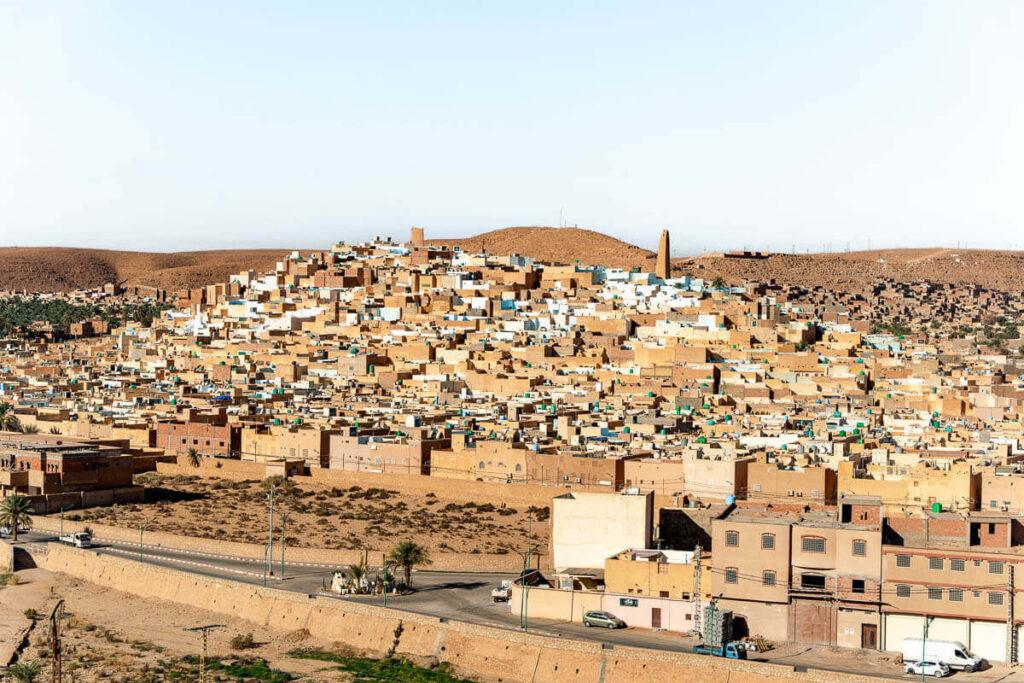
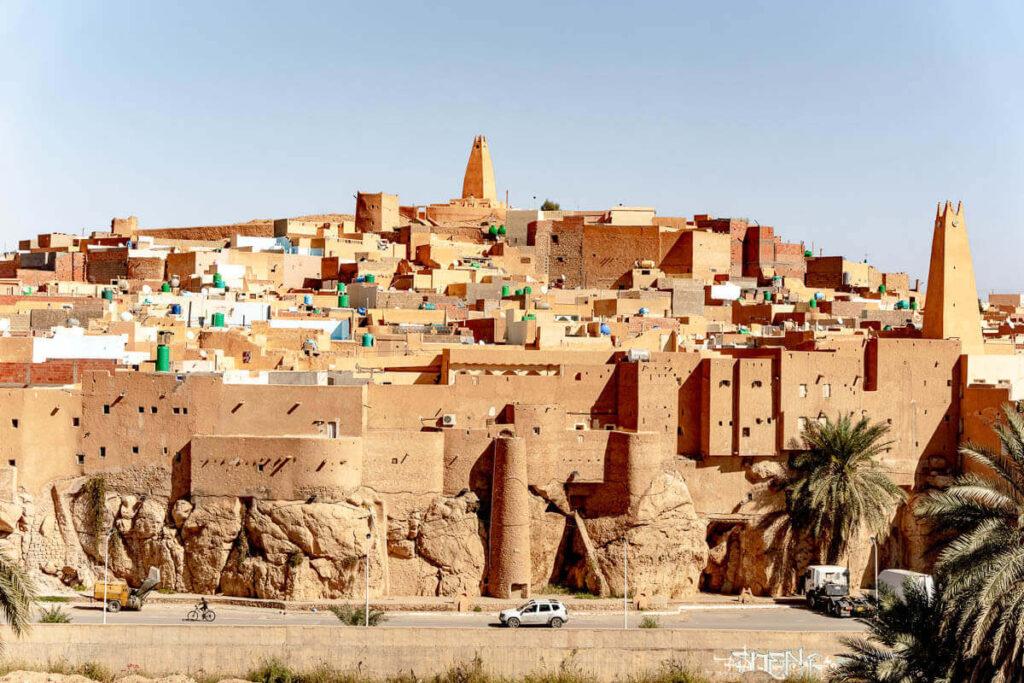
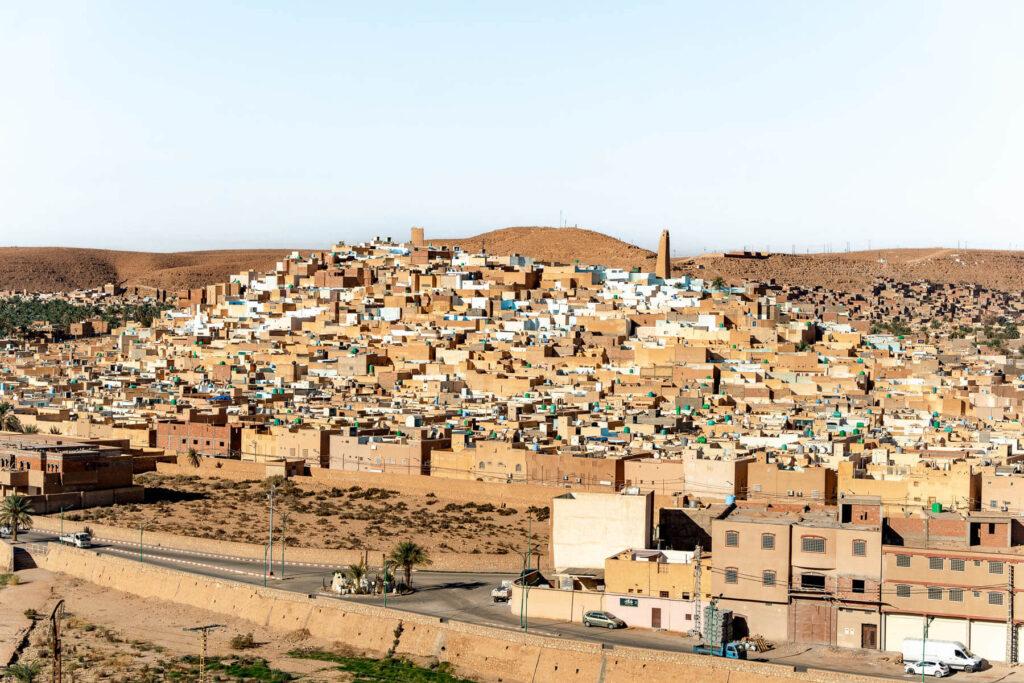
  • Ghardaïa is the main city of the M’zab Valley, a UNESCO-listed region in Algeria founded in the 11th century by the Mozabites, an Amazigh (Berber) community who follow a distinct version of Islam with very strict social codes, but also a strong sense of community and identity—something they have preserved for nearly a thousand years.
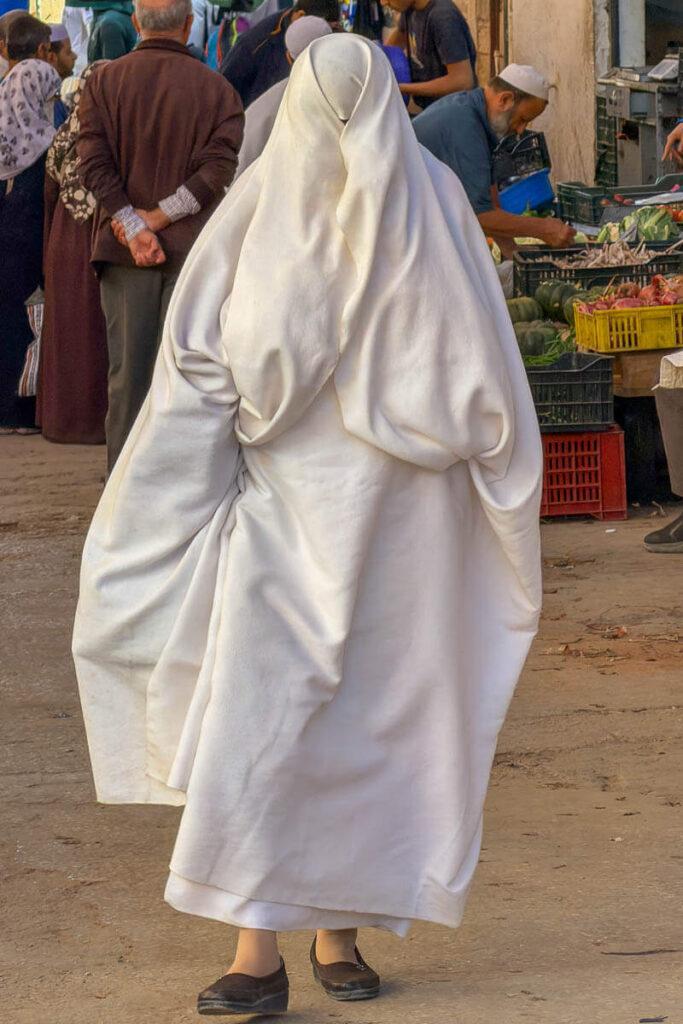
  • Beyond its unique architecture, one of the most striking and distinctive sights is the traditional dress of Mozabite women, who wear a white veil covering the entire body and face, leaving only one eye visible.
  • Ghardaïa is composed of different towns and villages. We’ll visit the most beautiful ones, climb viewpoints, and walk across different oases.
  • Overnight in Ghardaïa.

Day 5 – Ghardaia to Biskra

  • We leave the M’Zab Valley and head north towards Biskra, taking the route via El M’Ghair, through a stretch of really unexplored territory, even by Algerian travel standards. The drive crosses vast desert and steppe landscapes, with long sections of emptiness broken only by small settlements and palm groves.
  • It’s a long driving day, but one that offers a rare look at Algeria far beyond the usual routes.
  • Overnight in Biskra.

Day 6 – Biskra, Timgad & Constantine

  • We’ll start the day slowly to recover from the previous day’s long drive, perhaps taking a short stroll around the town of Biskra, an oasis hub located on the edge between the Sahara and northern Algeria, much like Laghouat.
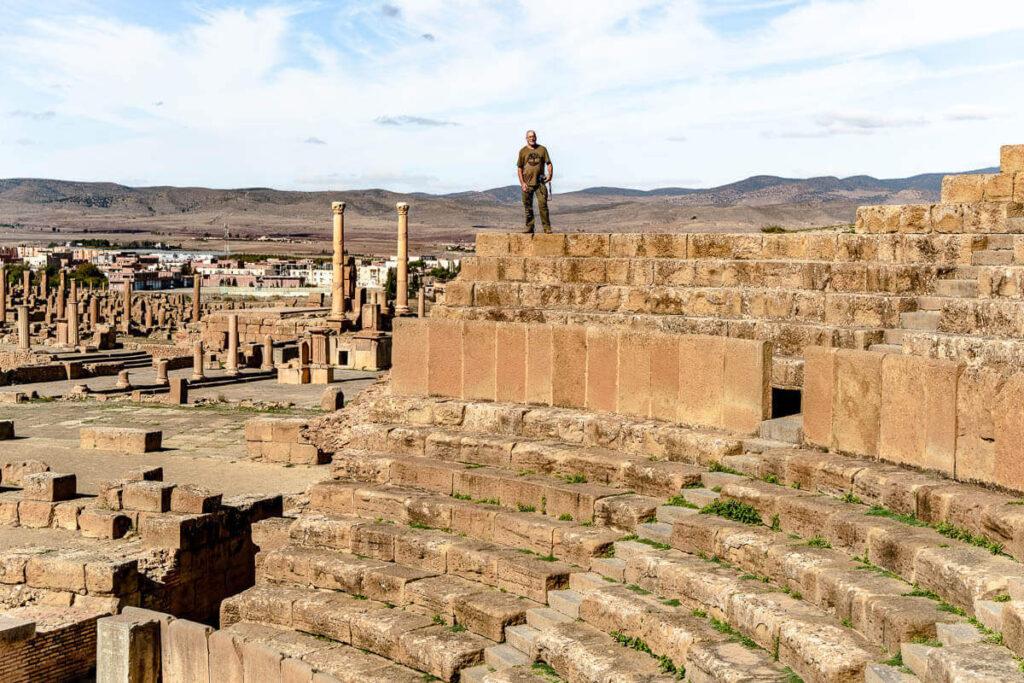
  • We then continue towards Timgad, stopping to explore one of the best-preserved Roman cities in North Africa, founded around 100 AD by Emperor Trajan as a military colony.
  • In the evening, we arrive in Constantine, where we check into a comfortable hotel in the old part of the city.
  • Overnight in Constantine.

Day 7 – Full day in Constantine

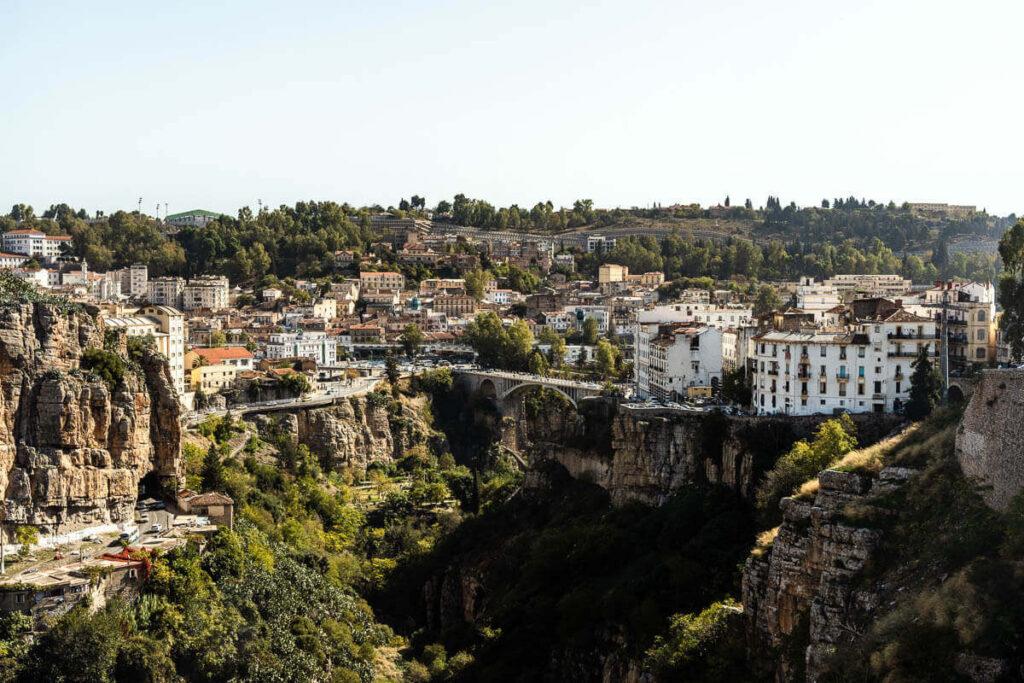
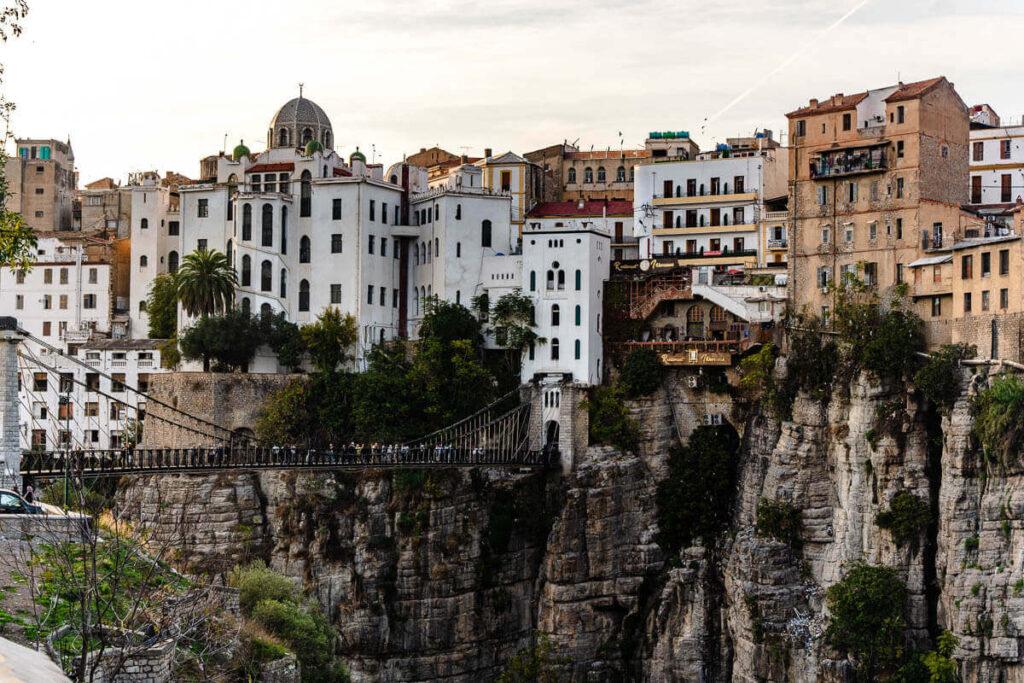
  • We will spend the entire day exploring Constantine, one of Africa’s most unique cities, famous for its spectacular suspension bridges linking different parts of the city.
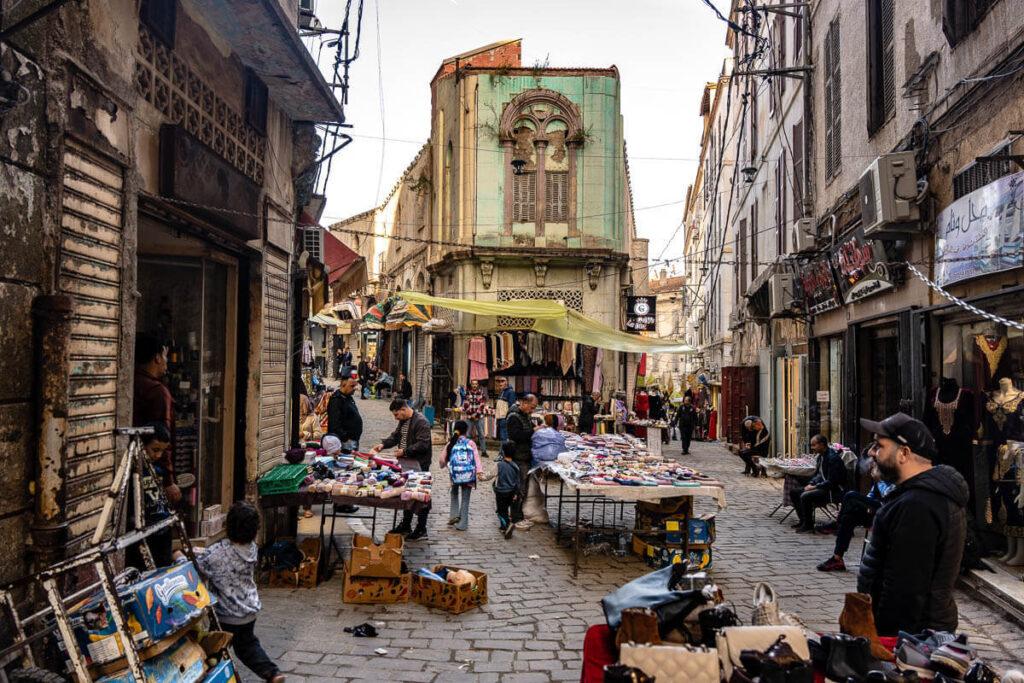
  • Throughout the day, we’ll visit several viewpoints, walk across some of the iconic bridges, and explore historical landmarks such as the El Bey Palace, as well as the local market and bazaar.
  • There will also be some free time to wander around and discover the city on your own.
  • Overnight in Constantine.

Day 8 – Back to Algers

  • After breakfast, we’ll head back to Algiers, not without first stopping at Djemila, one of Algeria’s most impressive Roman archaeological sites, founded in the 1st century AD.
  • Lunch will be taken along the way.
  • Drop-off will be in the city centre of Algiers.
  • For those joining our South Algeria expedition, drop-off at the airport instead is also possible.