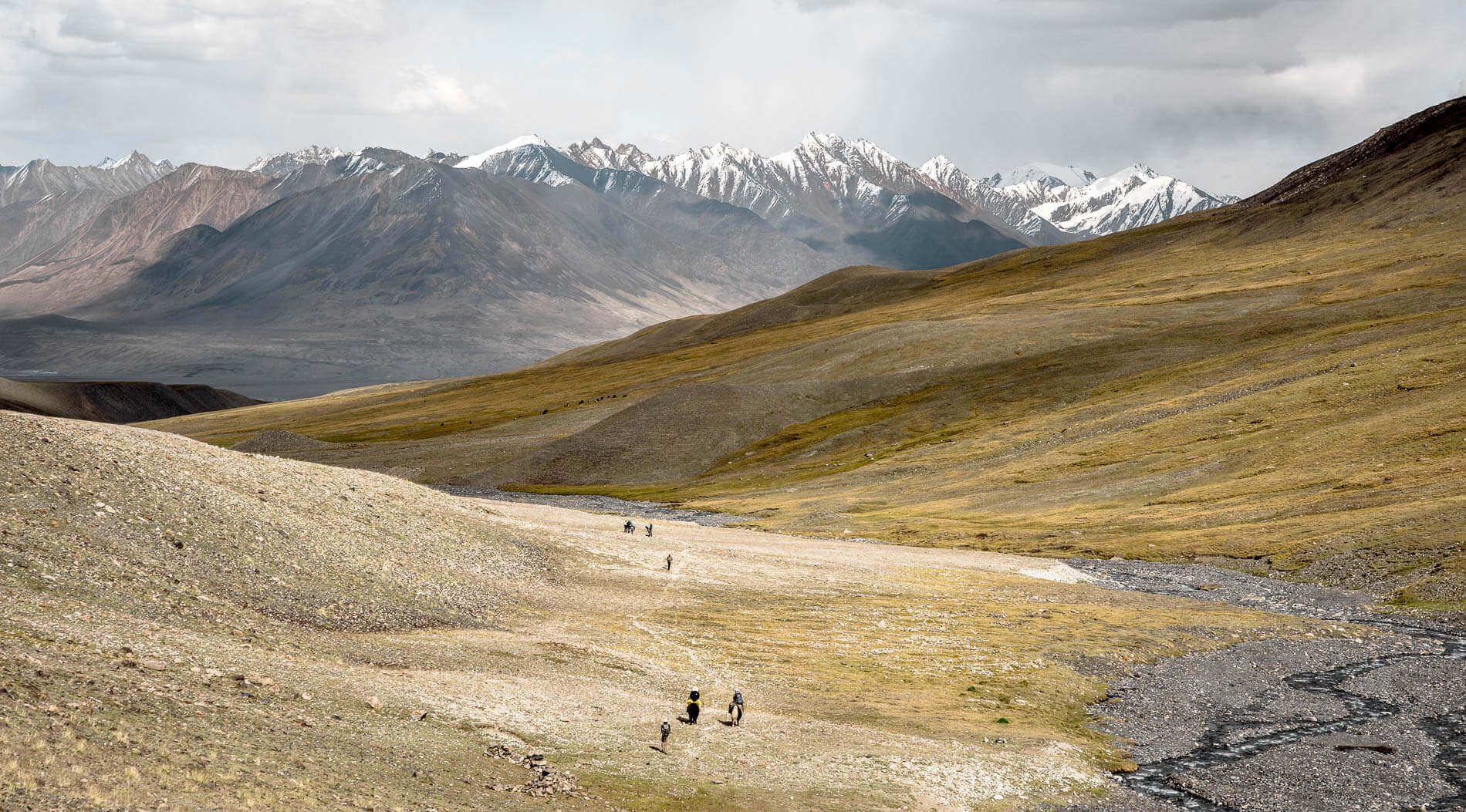
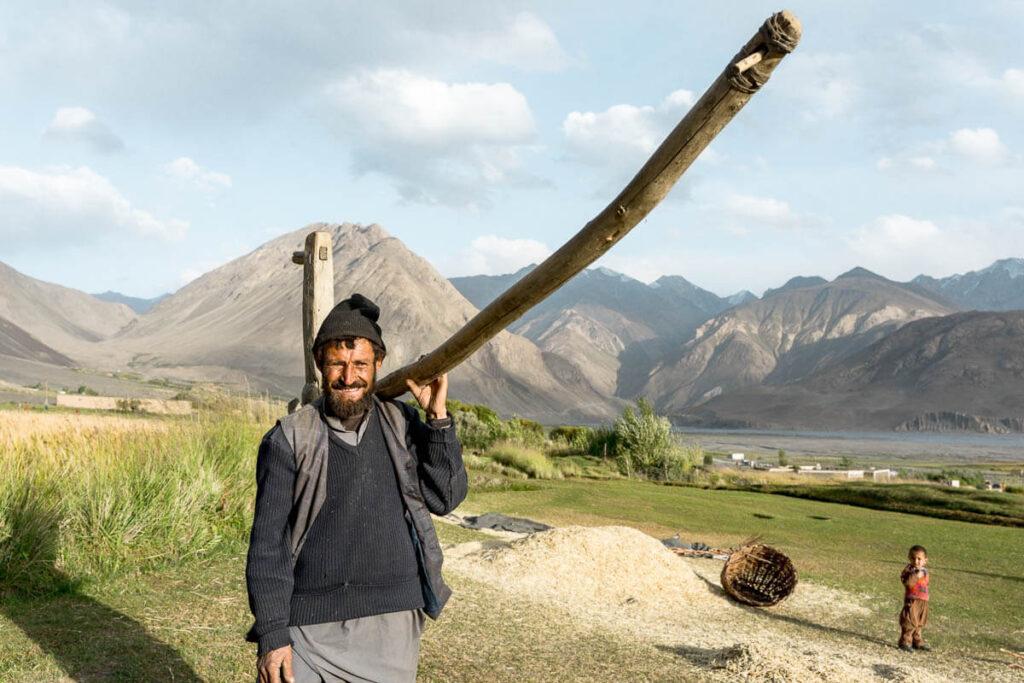
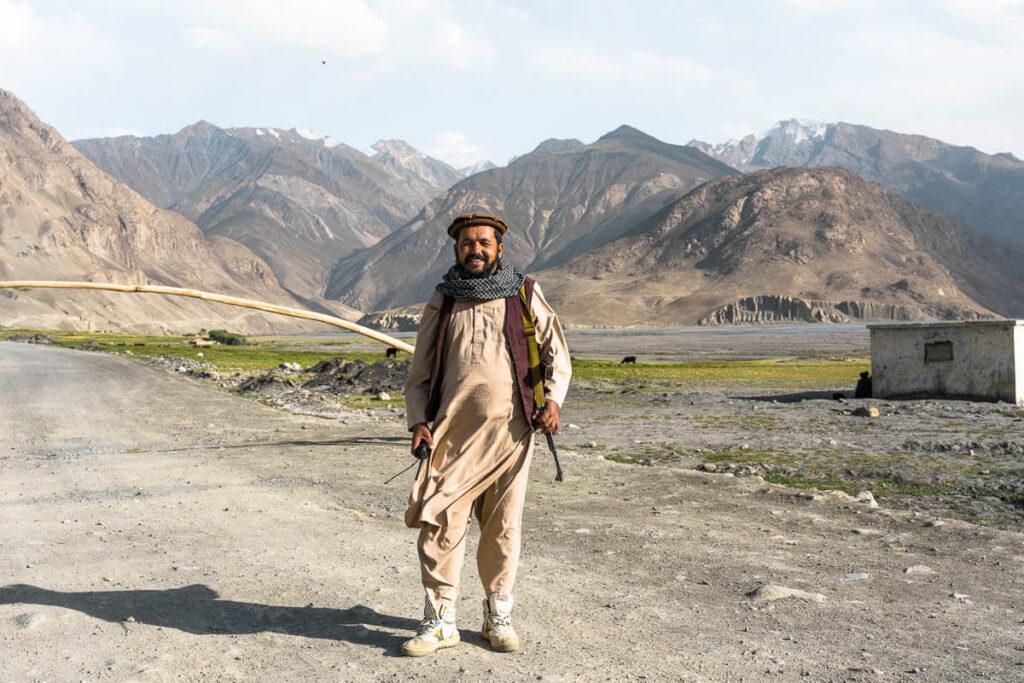
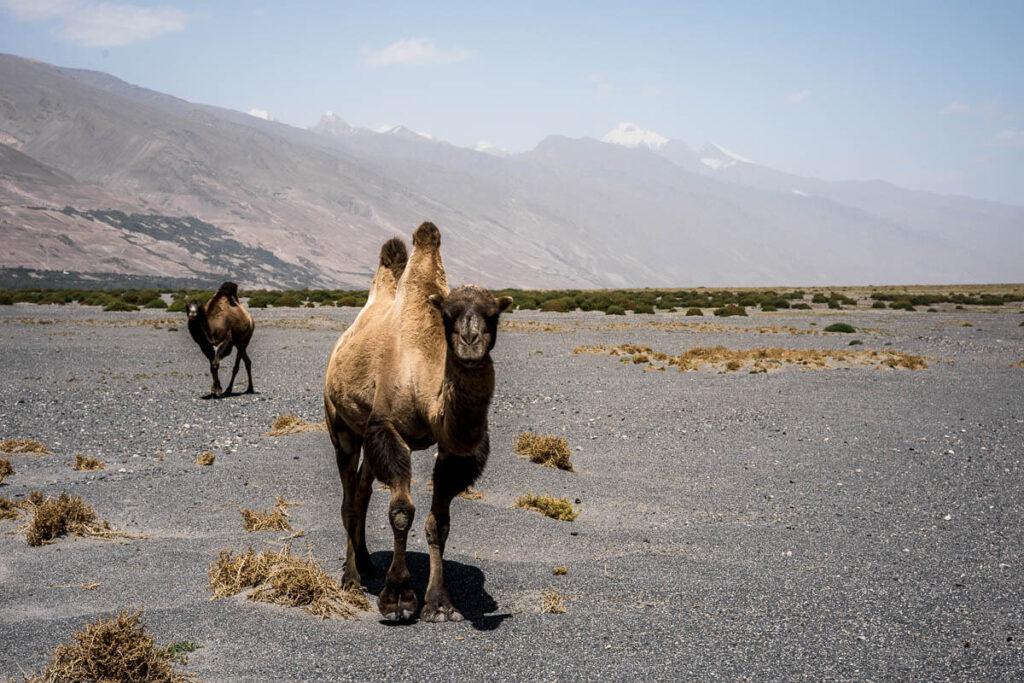
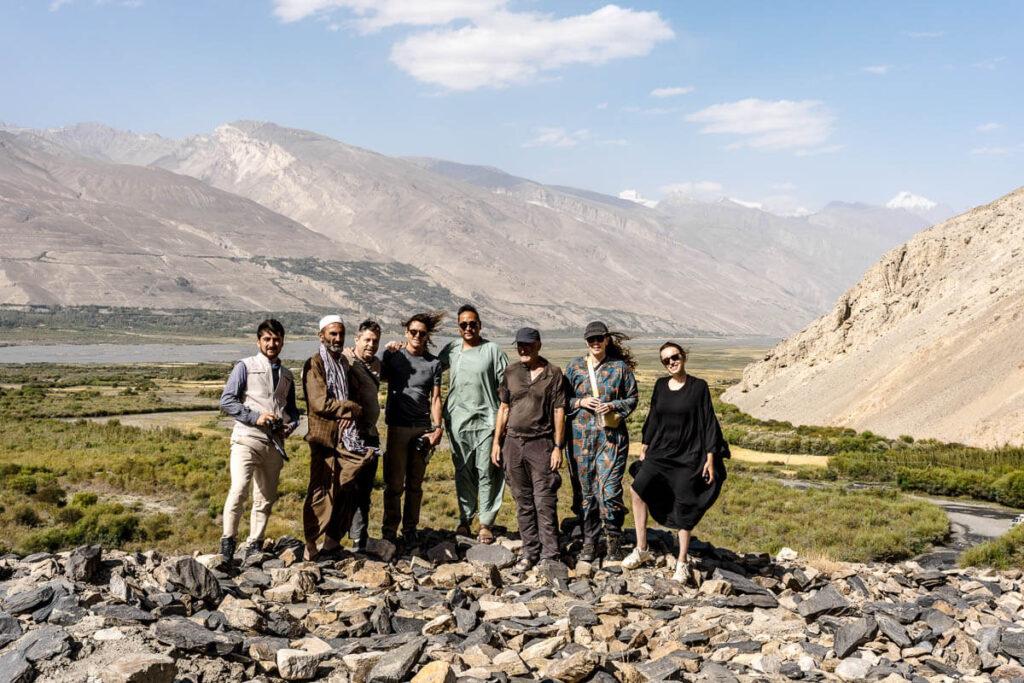
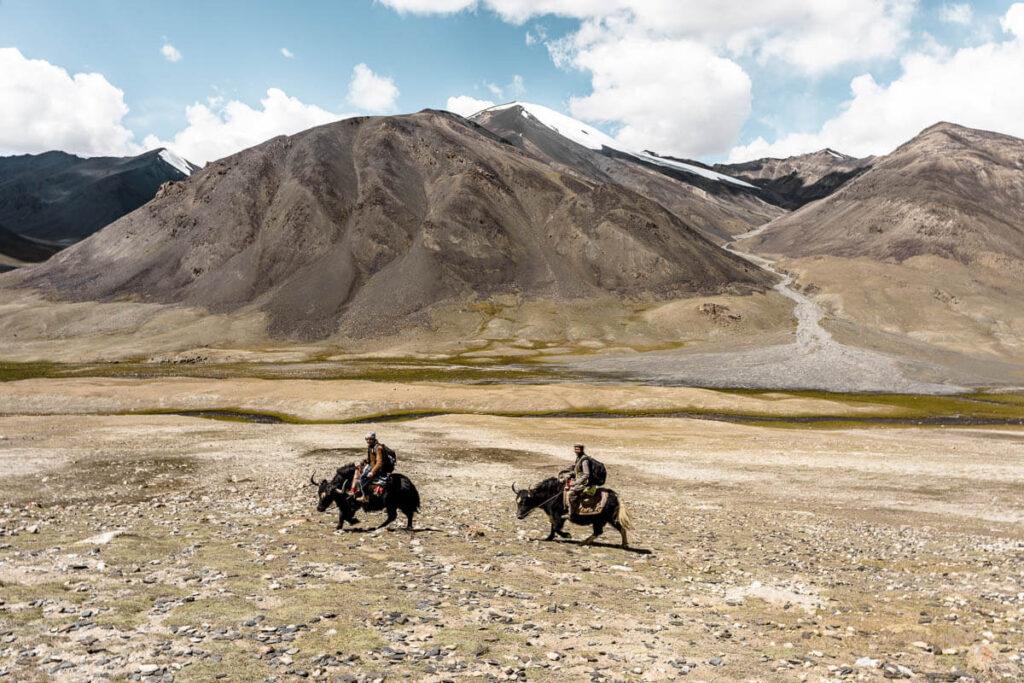
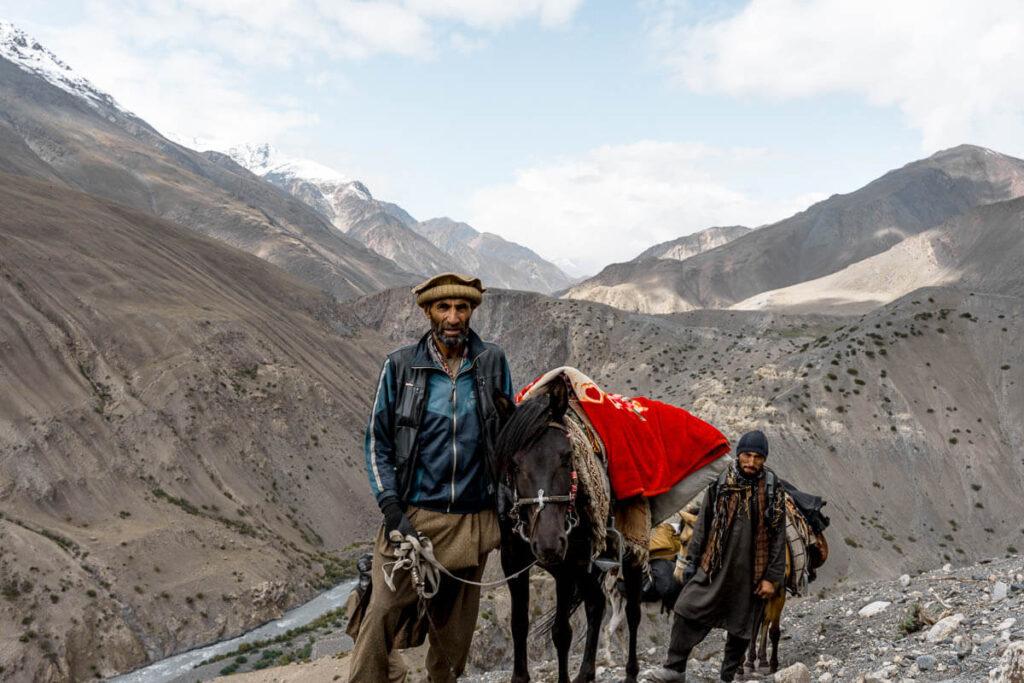
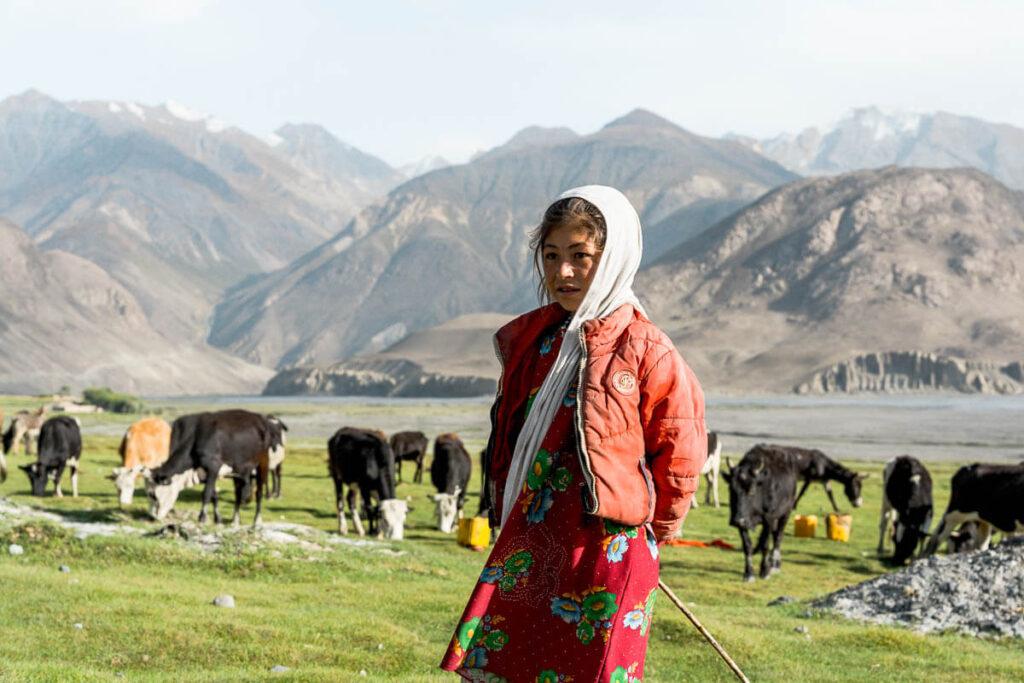
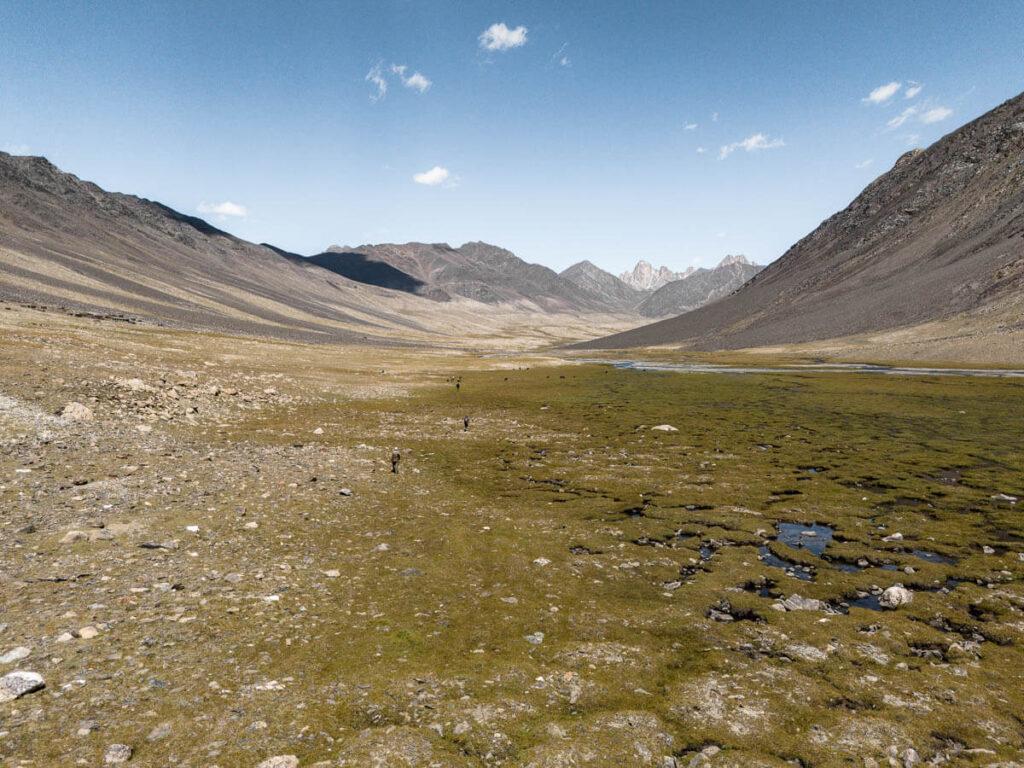
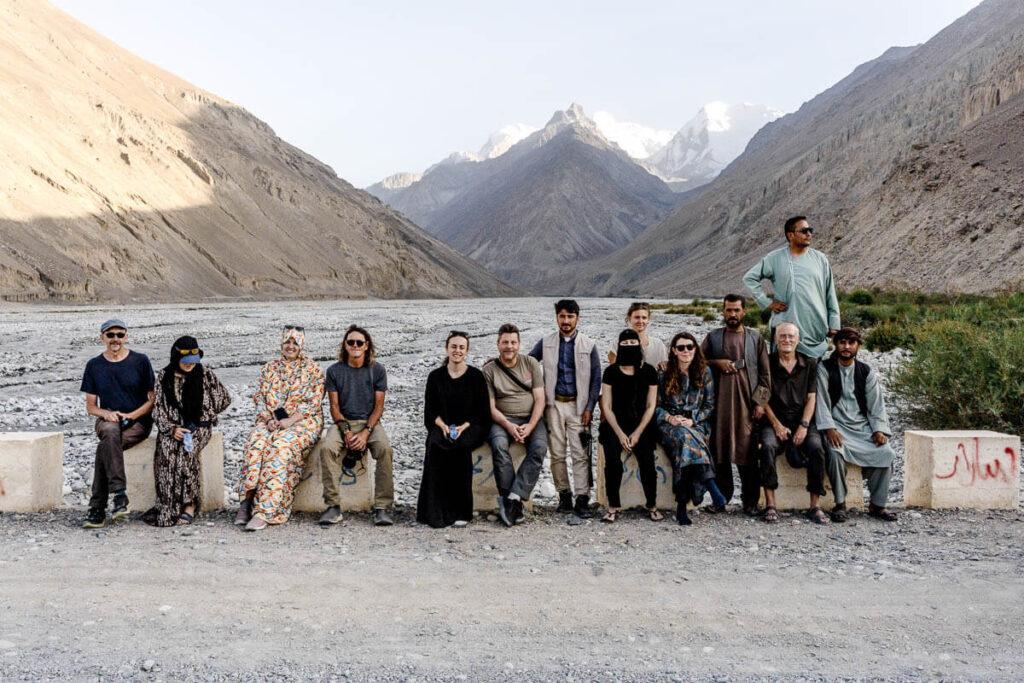
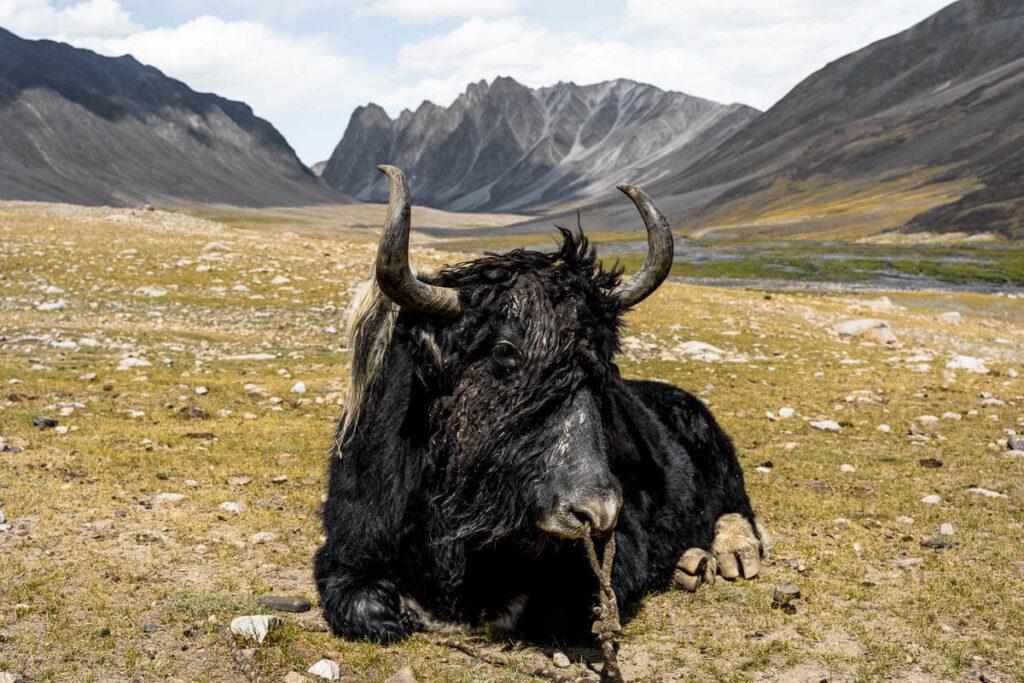
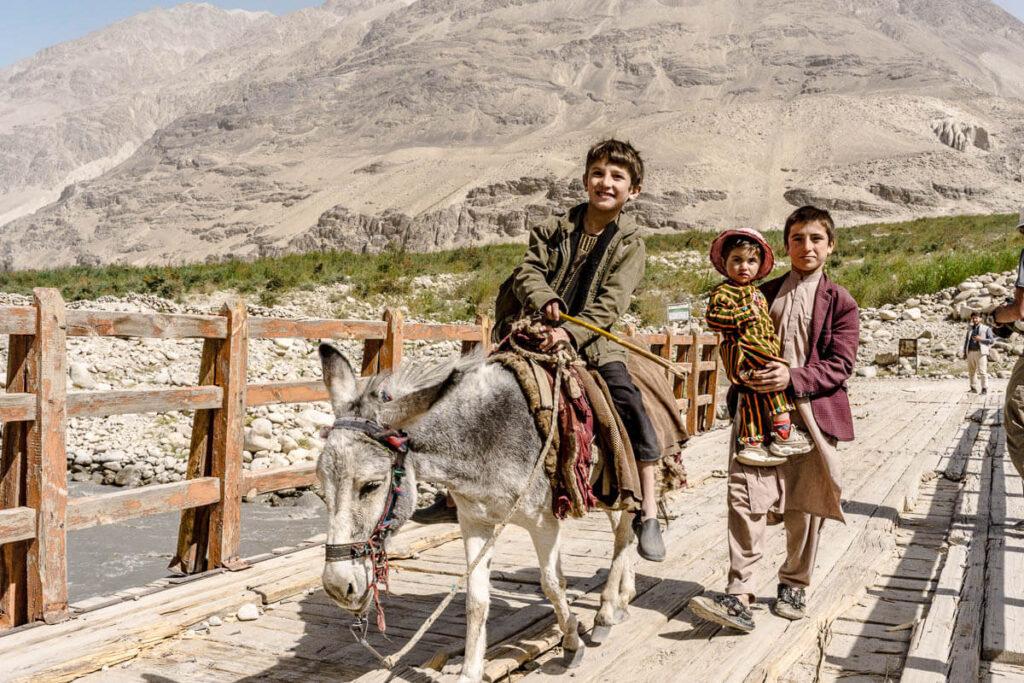
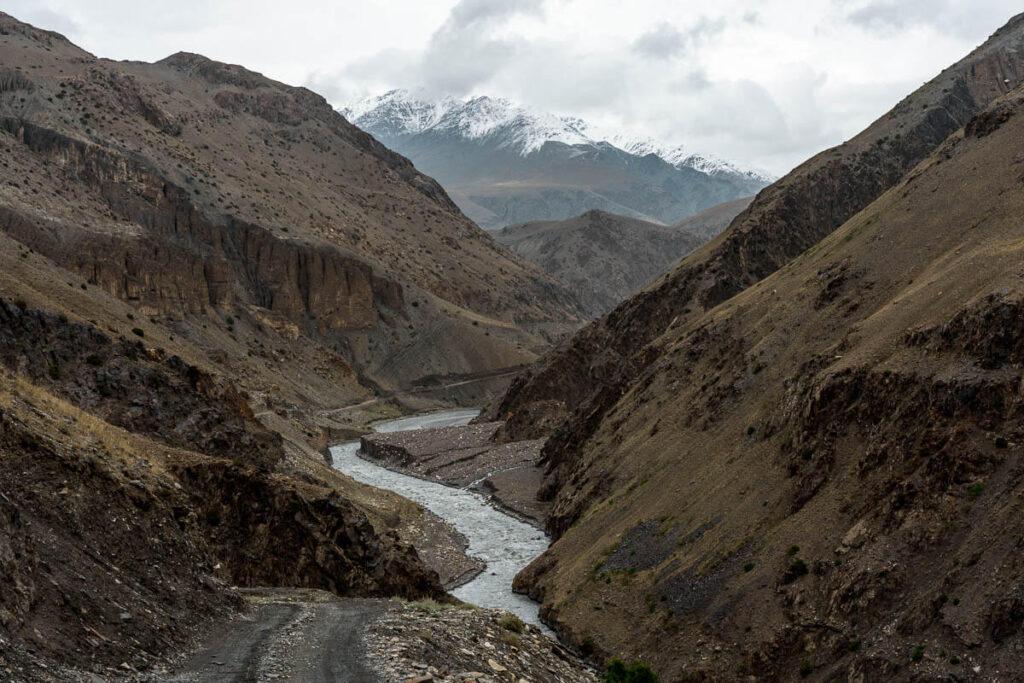
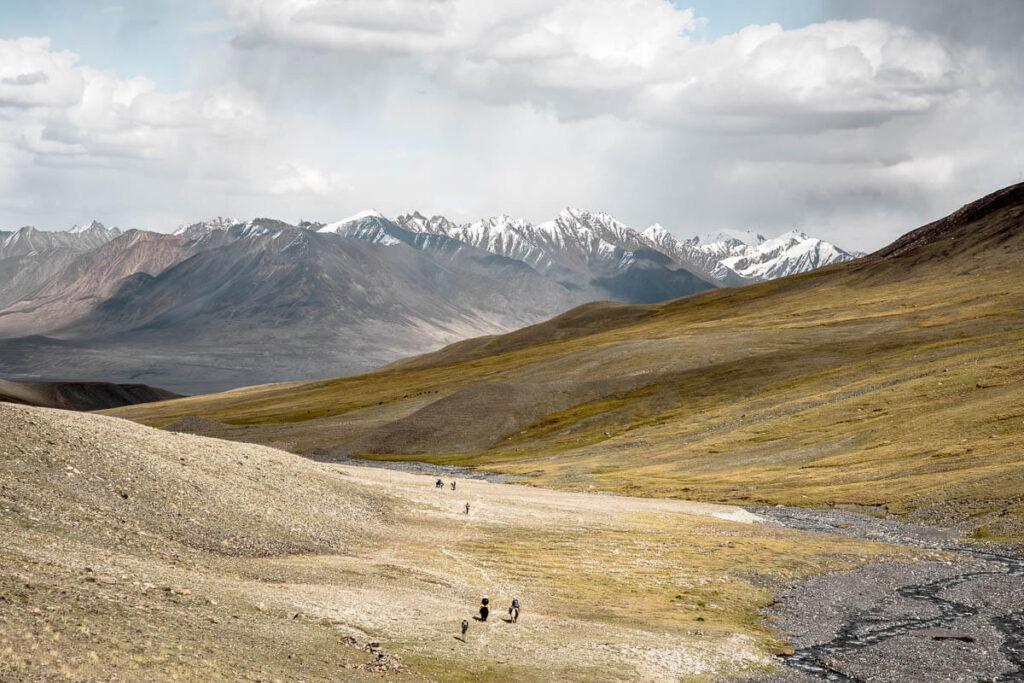
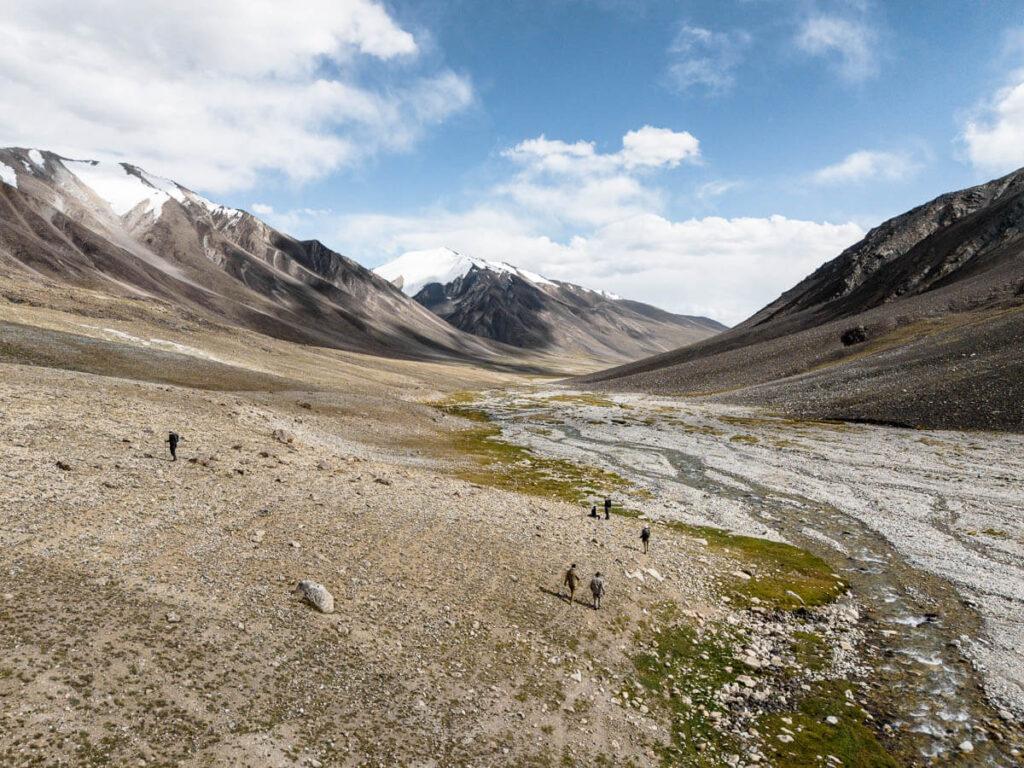
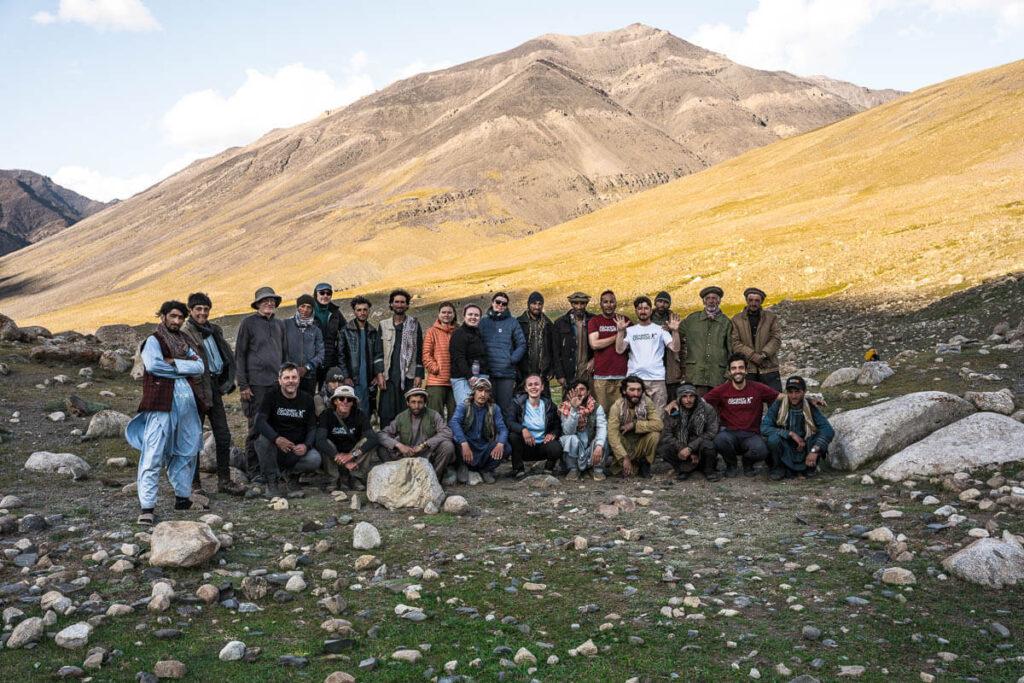
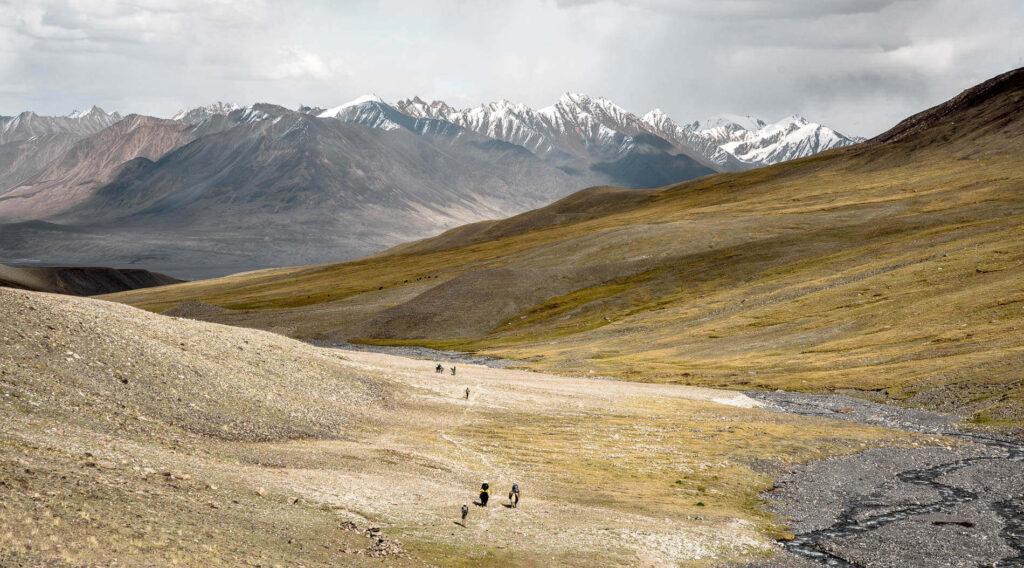
Stretching towards China between Pakistan and Tajikistan, the Wakhan Corridor is a narrow strip of eastern Afghanistan surrounded by some of Central Asia’s most spectacular mountains. It was established in 1893 as a buffer between the Russian Empire and British India, though travelers had crossed its valleys along Silk Road routes for centuries.
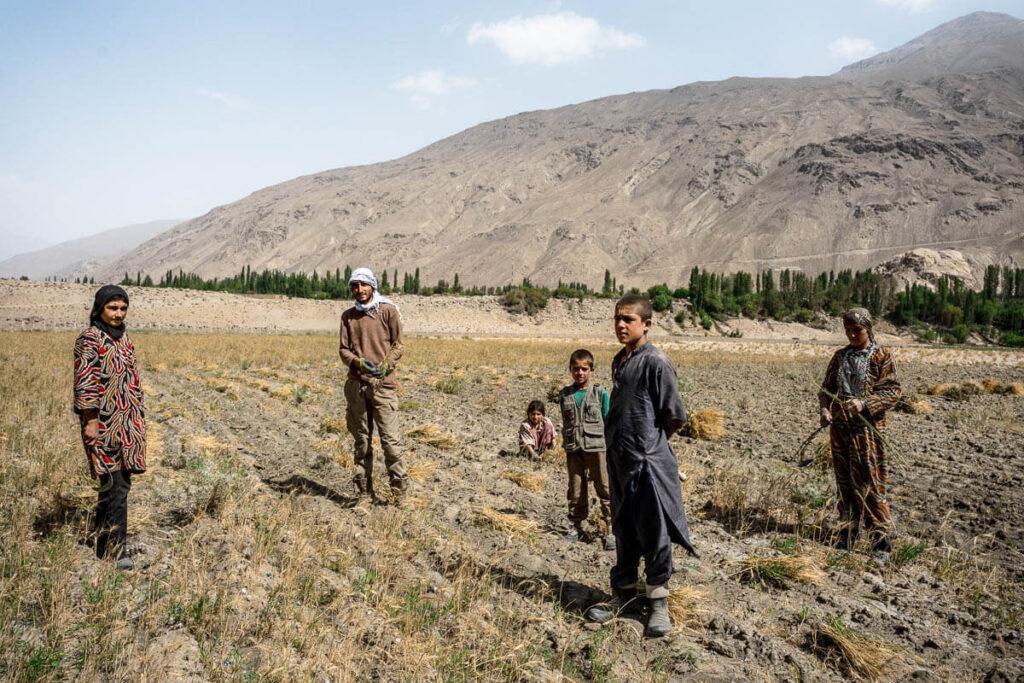
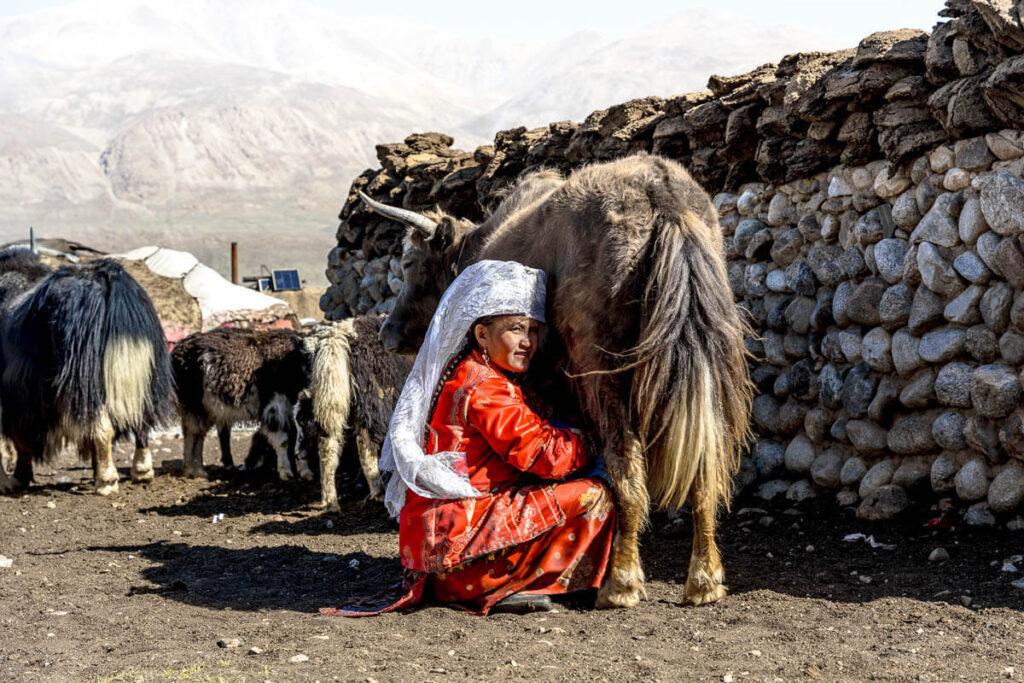
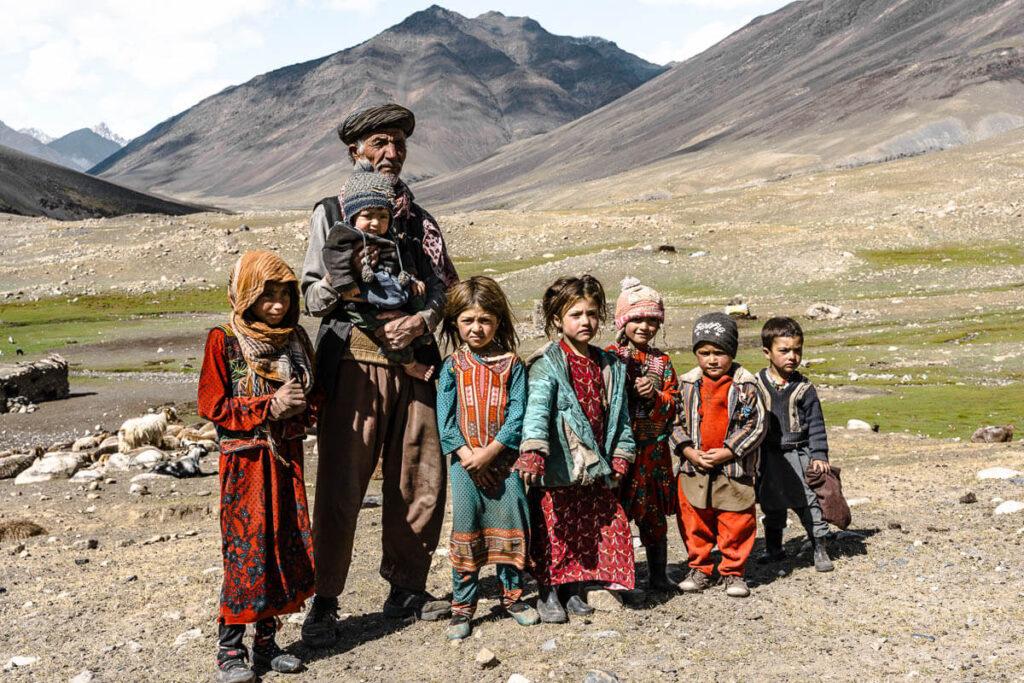
Modern borders cut off the trade and movement that once connected Wakhan’s communities with their neighbours. Today, it remains one of the most remote inhabited regions in the world, home to villages, shepherds and nomadic communities living among the high valleys of the Pamirs.
For any adventurous traveler, visiting the Wakhan Corridor is a must.
Travelers of all nationalities except American, Chinese and Pakistani can visit the Wakhan Corridor. American, Chinese and Pakistani travelers can visit other parts of Afghanistan, but cannot currently obtain the permit required for the Wakhan.
Private, tailored trips for the Wakhan Corridor
Do you want to travel solo, or with a group of friends?
We are able to organize any sort of private adventure in the Wakhan Corridor.
Here’s our standard 15-day tour we offer on most of our expeditions.
Day 1 – Dushanbe to Shir Khan border and Fayzabad
The meeting point will be a hotel in Dushanbe early in the morning, from where we’ll drive to the Shir Khan border.
After completing all border formalities, we’ll cross into Afghanistan and continue our journey to Faizabad. This will be a very long travel day.
Overnight in Faizabad.
Day 2 – Fayzabad to Ishkashim
We’ll spend the morning sorting out the necessary permits for traveling across Badakhshan province before hitting the road to Ishkashim, the gateway to the Wakhan Valley.
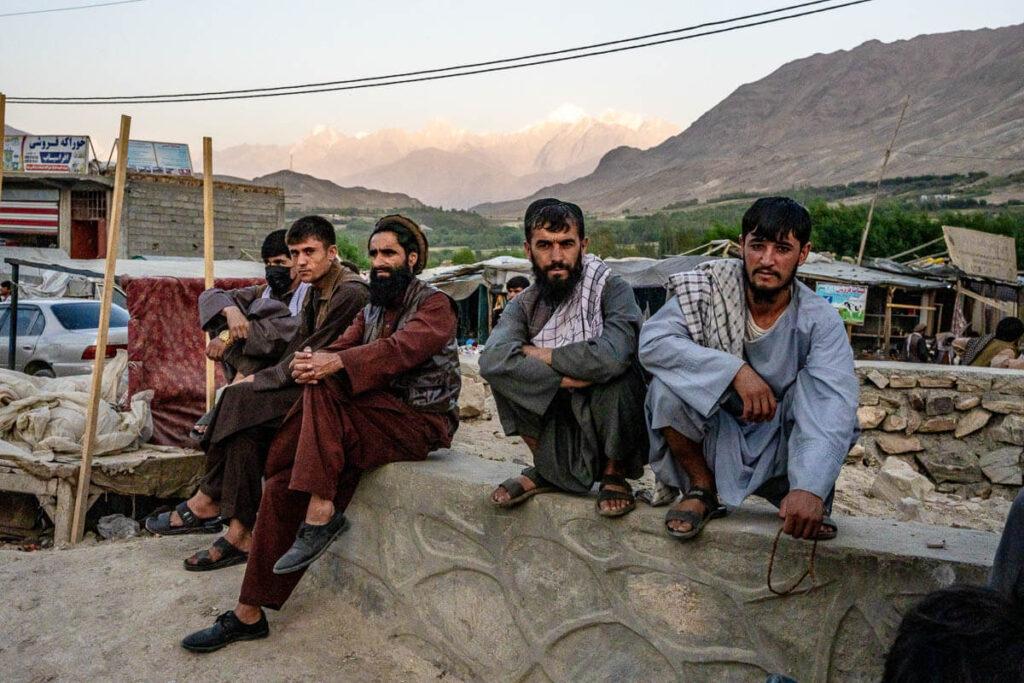
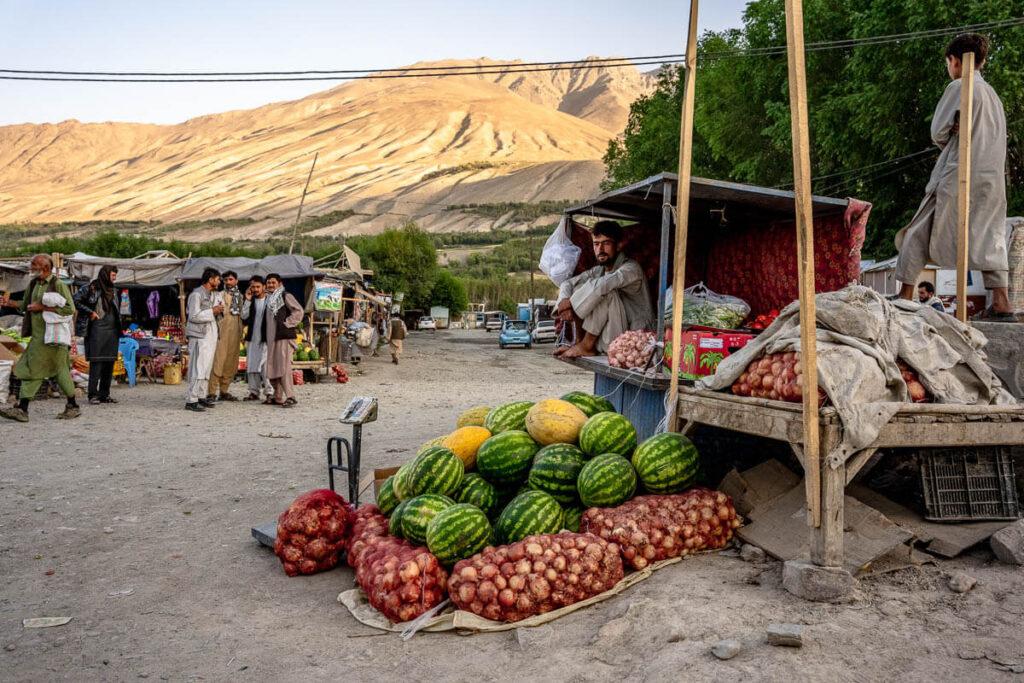
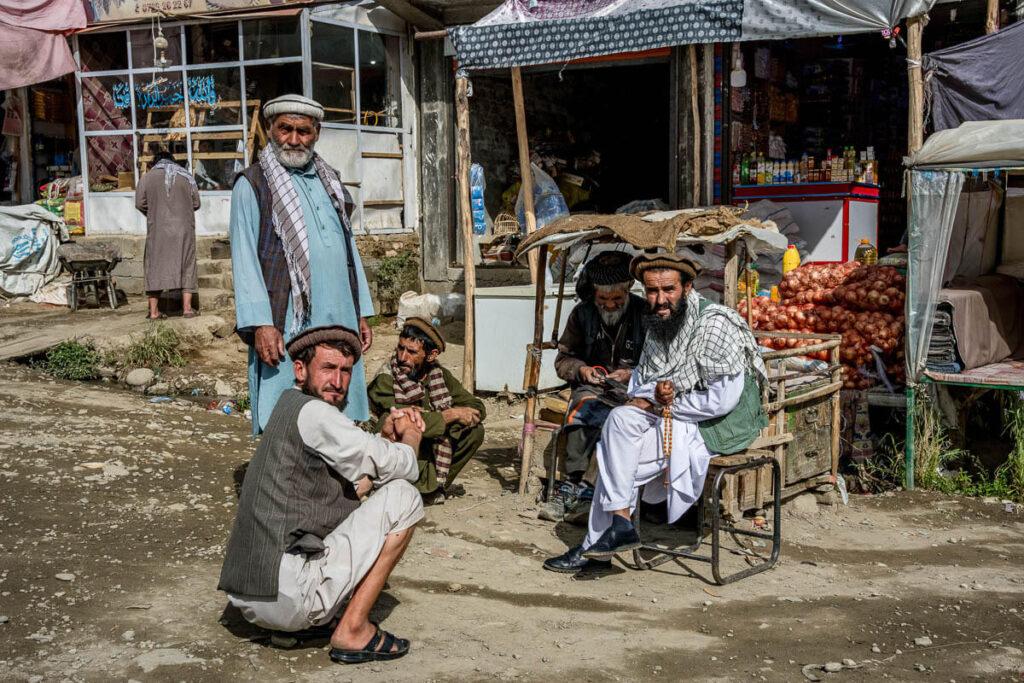
Ishkashim is a small town sitting right across the border from Tajikistan, home to a lively local market where we’ll also stock up on supplies for the upcoming hike.
Overnight in Ishkashim.
Day 3 – Ishkashim to Qala-e-Panja
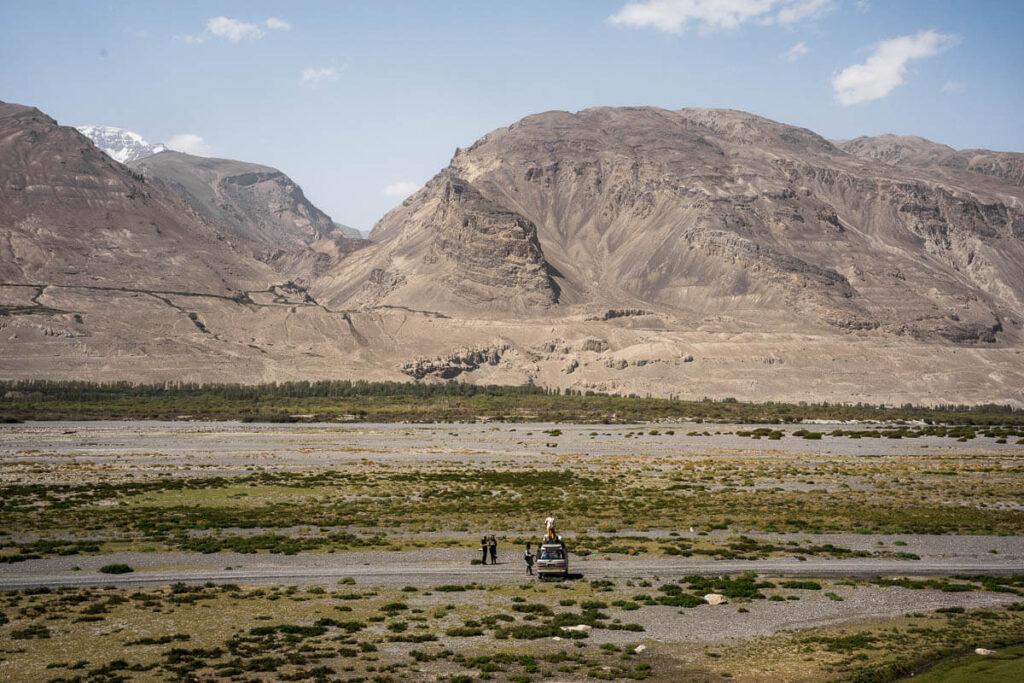
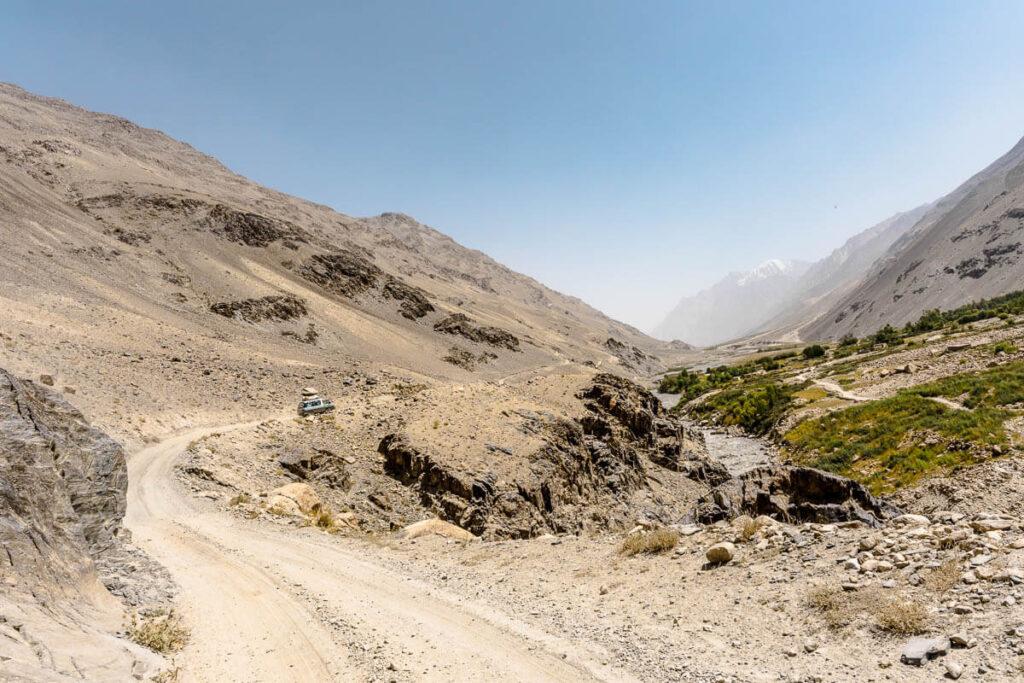
Today, we’ll enjoy a scenic drive along the Wakhan Valley, following the Panj River and the border with Tajikistan.
If you’ve driven along the Pamir Highway (M41) in Tajikistan, you’ll probably be familiar with the landscapes on the other side of the river. Afghanistan’s side is pretty similar, just far less busy and with an even greater sense of remoteness.
We’ll make plenty of stops along the way before reaching the village of Qala-e-Panja.
Overnight in Qala-e-Panja.
Day 4 – Qala-e-Panja to Sarhad-e Broghil
On Day 4, we’ll start getting deeper into the Wakhan Corridor, saying goodbye to Tajikistan as we leave the Panj River behind and take the road following the Wakhan River instead.
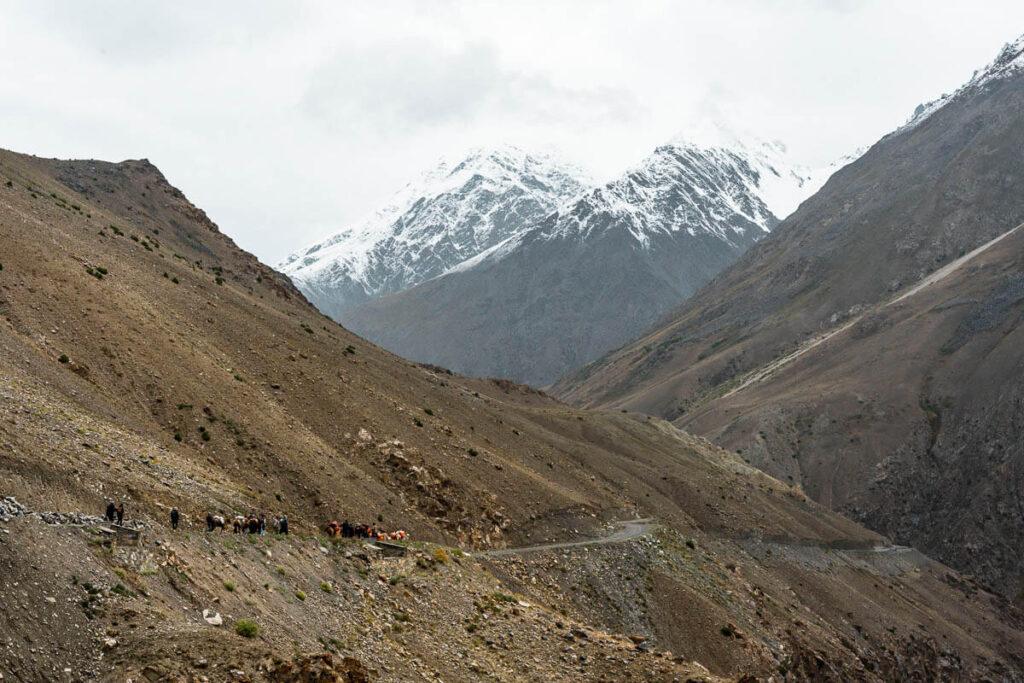
This is the most spectacular drive of the trip, taking us through unspoiled, timeless villages surrounded by absolutely jaw-dropping scenery.
Sarhad-e Broghil is the last proper village before entering Wakhan National Park and the starting point of our hike.
Overnight in Sarhad-e Broghil.
Day 5-9 – Hiking in the Little Pamir to Chaqmaqtin lake
We’ll have a very early start, driving for around 90 minutes to the actual starting point of our hike.
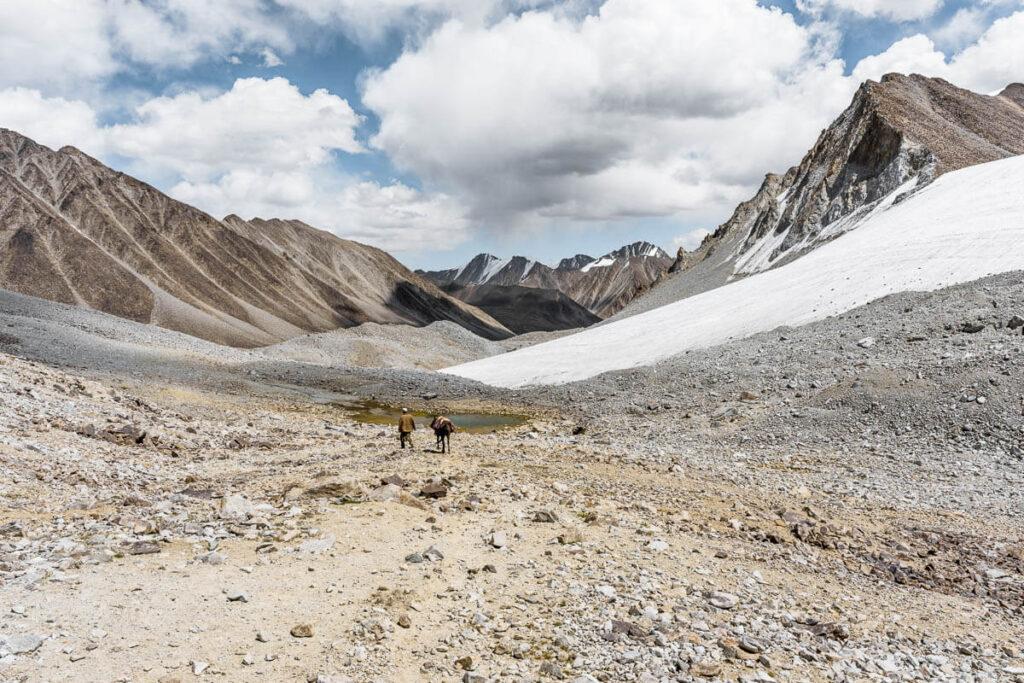
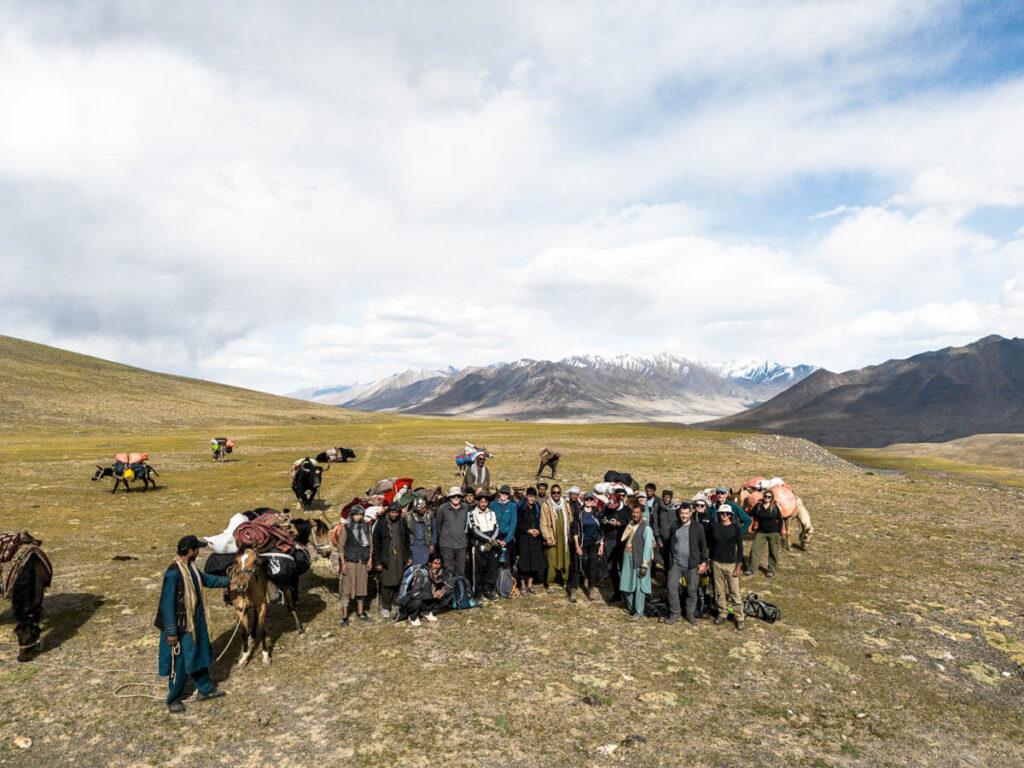
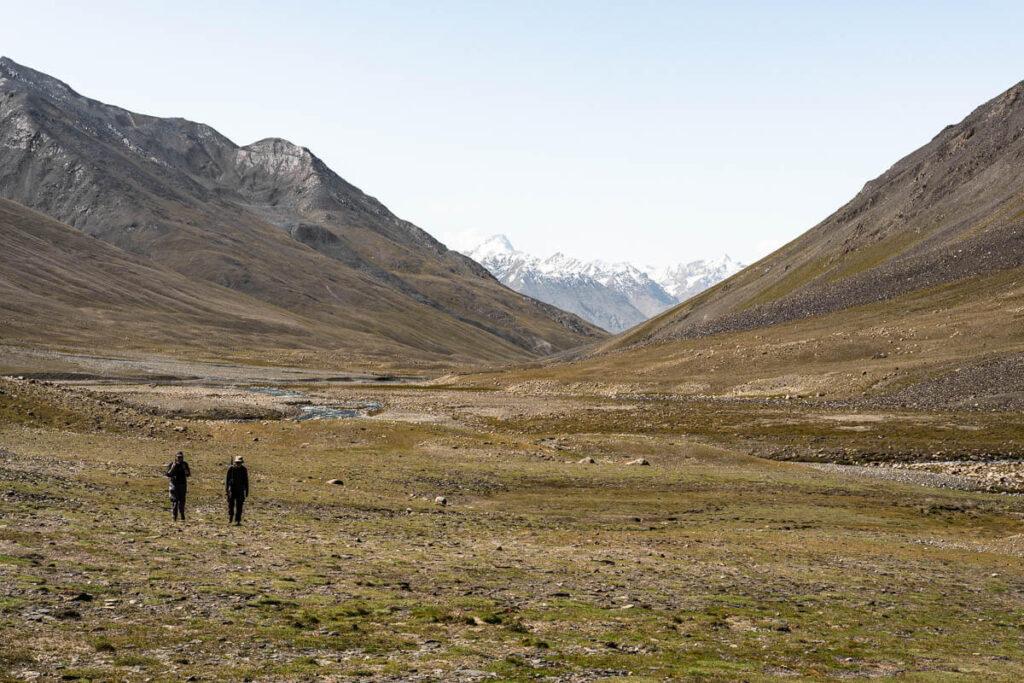
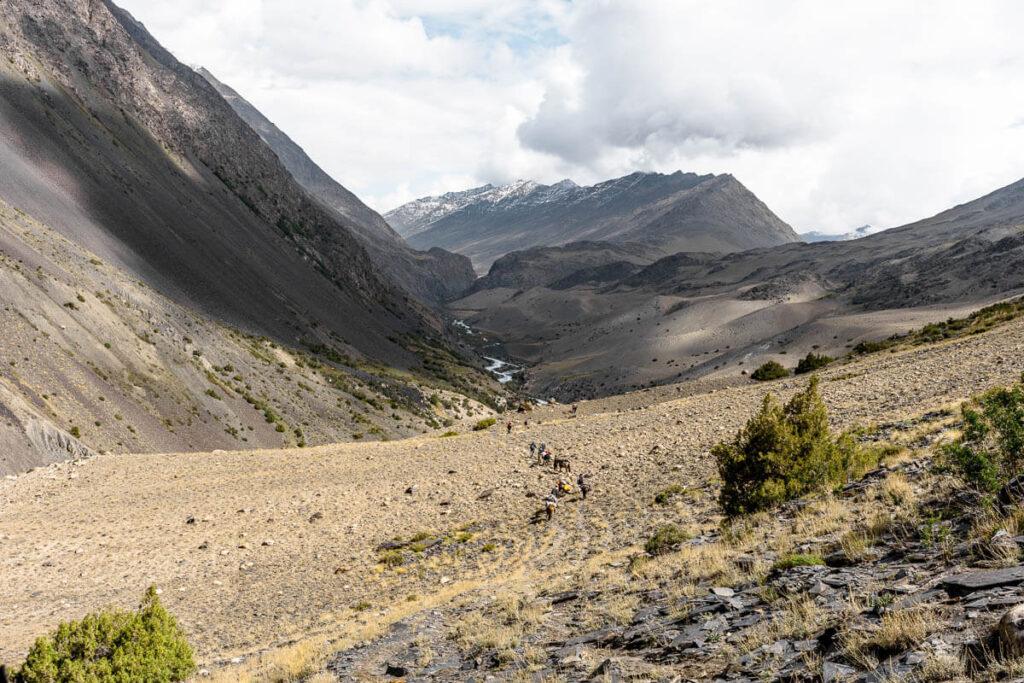
From here, we’ll spend five full days trekking through the Little Pamir, following a spectacular high-altitude route towards the remote Chaqmaqtin Lake, averaging around 8 hours of hiking per day and crossing mountain passes reaching up to 4,895 meters above sea level.
This is one of the wildest and most isolated sections of the Wakhan Corridor, with virtually no infrastructure and only a handful of remote settlements scattered across the mountains.
All nights during the trek will be spent camping in tents.
Day 10 – Resting day in Chaqmaqtin Lake
After five full days of trekking across the Little Pamir, we’ll enjoy a well-deserved rest day at Chaqmaqtin Lake, one of the most remote and spectacular places in the entire Wakhan Corridor.
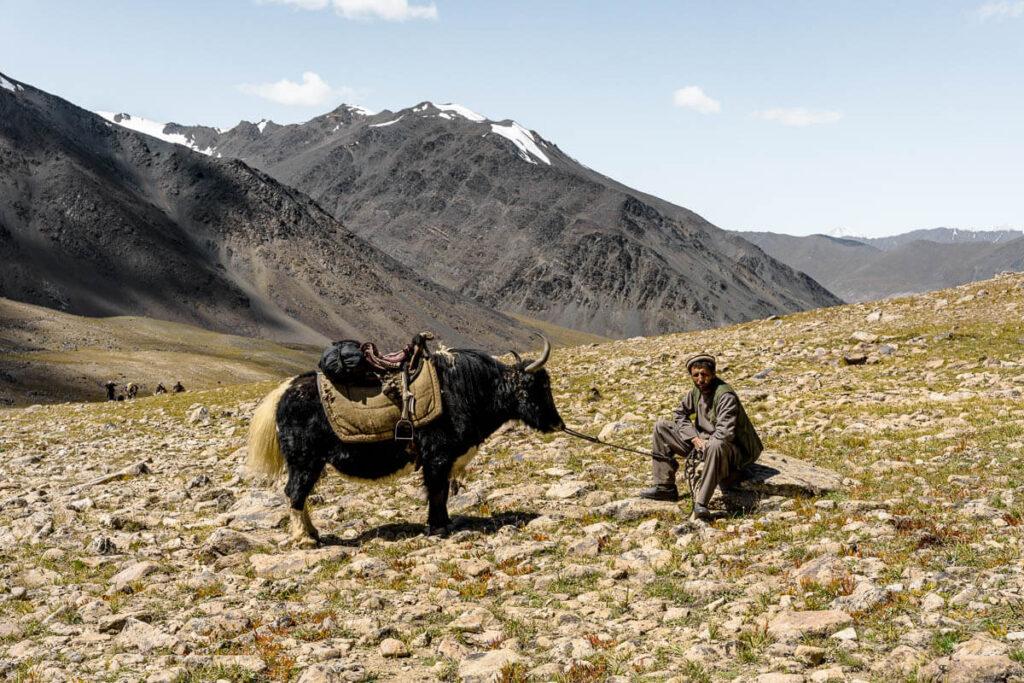
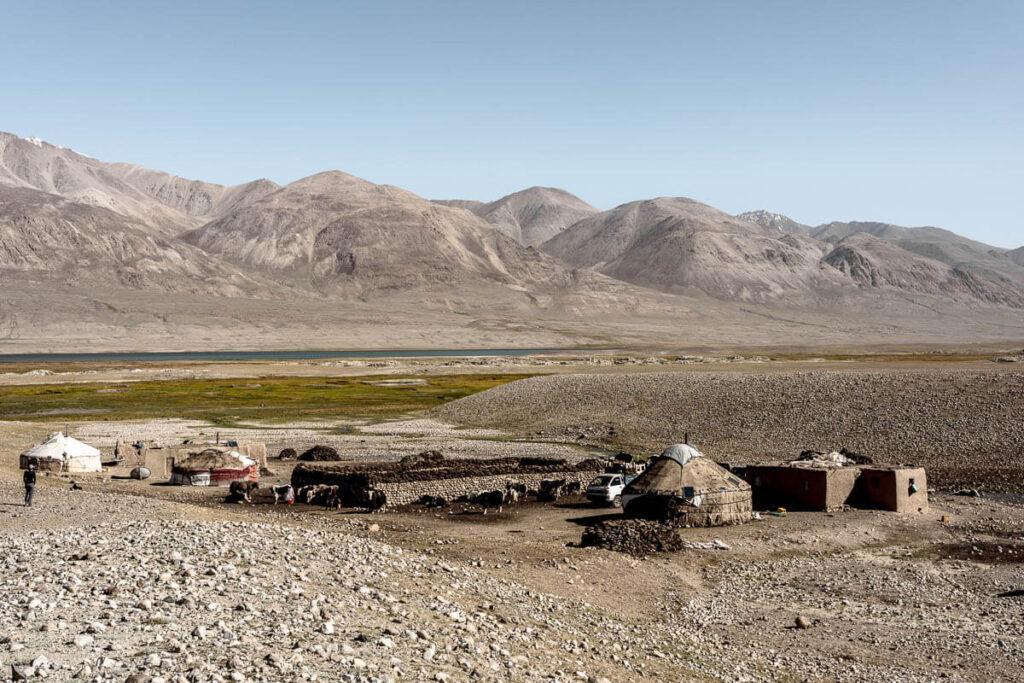
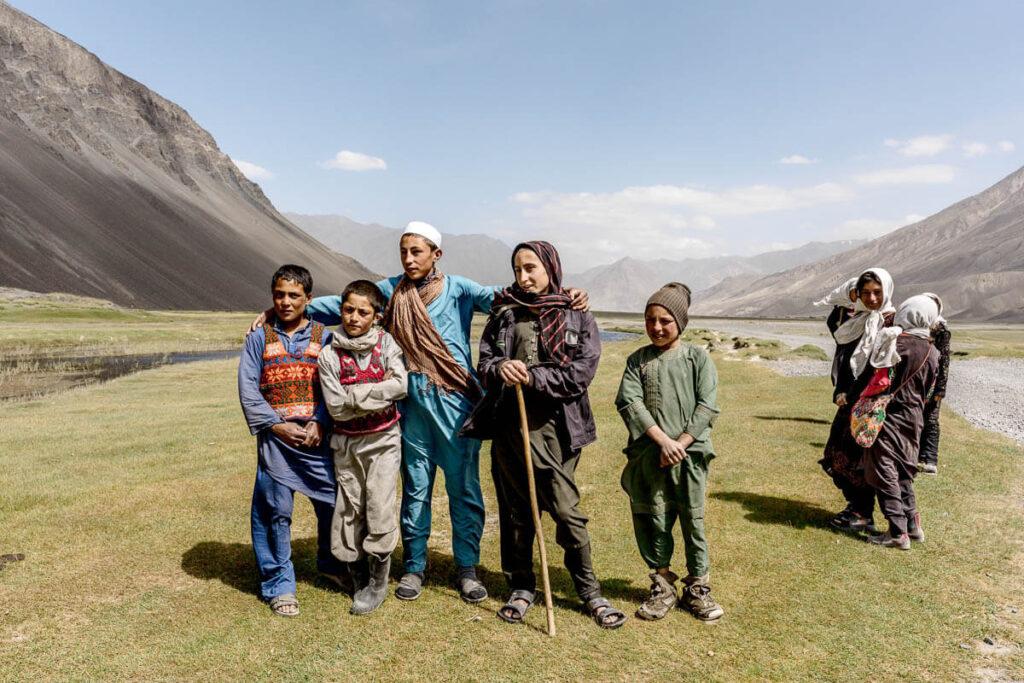
Sitting at around 4,000 meters above sea level and surrounded by the vast mountains of the Pamirs, Chaqmaqtin is also home to several small settlements inhabited by the Kyrgyz, a semi-nomadic community that has lived in this extremely isolated, high-altitude region for generations.
We’ll spend the day resting, exploring the surroundings, visiting some of these remote Kyrgyz settlements, and learning about everyday life in one of the most isolated inhabited regions of Central Asia.
Overnight in tents by Chaqmaqtin Lake.
Day 11 – Drive from Chaqmaqtin to Sarhad-e Broghil
Today, we’ll leave Chaqmaqtin Lake behind and drive all the way back to Sarhad-e Broghil, retracing our journey across the spectacular landscapes of the Little Pamir.
Overnight in Sarhad-e Broghil.
Day 12 – Sarhad-e Broghil to Qala-e-Panja
We’ll continue our journey back through the Wakhan Valley, driving from Sarhad-e Broghil to Qala-e-Panja.
Overnight in Qala-e-Panja.
Day 13 – Qala-e-Panja to Ishkashim
Continuing our journey back through the Wakhan Valley, following the Panj River all the way to Ishkashim.
Overnight in Ishkashim.
Day 14 – Ishkashim to Fayzabad
On Day 14, we’ll finally leave the mountains behind, making our way back to Fayzabad, the capital of Badakhshan province.
After several days in the remote Wakhan, we’ll enjoy a proper dinner at a local restaurant that evening.
Overnight in Fayzabad.
Day 15 – Fayzabad to Shirkhan border
Early morning drive from Fayzabad to the border with Tajikistan, where our journey through Afghanistan comes to an end.
End of the tour.
Safety DISCLAIMER
Before joining a tour to Afghanistan, please read the information about the risks and dangers of the trip:
The traveler is expressly informed that the activities included in the travel itinerary are adventurous and/or take place in conflict zones, which entail dangers and imply the risk of physical, and psychological injuries, and/or death for the traveler.
Due to the characteristics of the destination and/or activities, the specific risks and dangers of the trip are, by way of example but not limited to, those listed below:
War; terrorism; political instability; arbitrary detentions, gunfire in the activity area; and/or violent crime.
Regarding the potential dangers of the destination, travelers are advised to consult the travel recommendations for the destination country provided by their country’s Ministry of Foreign Affairs. For example, in the case of the Foreign, Commonwealth & Development Office (FCDO), these recommendations can be accessed on the following link: https://www.gov.uk/foreign-travel-advice/afghanistan
FCDO advises against all travel to Afghanistan, due to risk of terrorism, unpredictable security conditions and lack of consular assistance.
Get In Touch
Request more info or book a tour.
Fill in the form and we'll get back to you in no time!